
Travelling Like a Geographer
Patterns and Trends: Changes in Space and Time

MINDS ON
At this point in your life, you may have travelled around Ontario or you may have travelled to other parts of Canada or the world. Or, your travelling adventures may all still be ahead of you!
Regardless of how extensively you have travelled, you still know a great deal about Ontario just from having lived here. You may have learned about important locations by watching television, hearing about them in class, reading books or magazines, or talking to others about their travels.
If you were asked to name the best places to visit in Ontario, which would you include?
 Work With It: The Best Canada Has to Offer
Take a moment to create an “Ontario’s Top 10” attraction list. After compiling your complete list, share ONE location that you included with a friend or family member and explain the following:
- Why you believe this place should make the list of Top 10 Attractions in Ontario?
- The Spatial Significance of that location using the prompts below:
- Where is this location based on natural and/or human characteristics? (What is Where?)
- What is unique about it? (Why There?)
- Why would someone want to visit this location? To whom would this location be significant? (Why Care?)
Add your list to your Travel Journal.
Looking Across Canada
The following map has been created to help you make connections between the different topics covered in this activity. You will return to it at various points as you progress through the activity.
Have a look at the first tab called “Top 10 Tourists Destinations” and the second tab called “Annual Visits”.
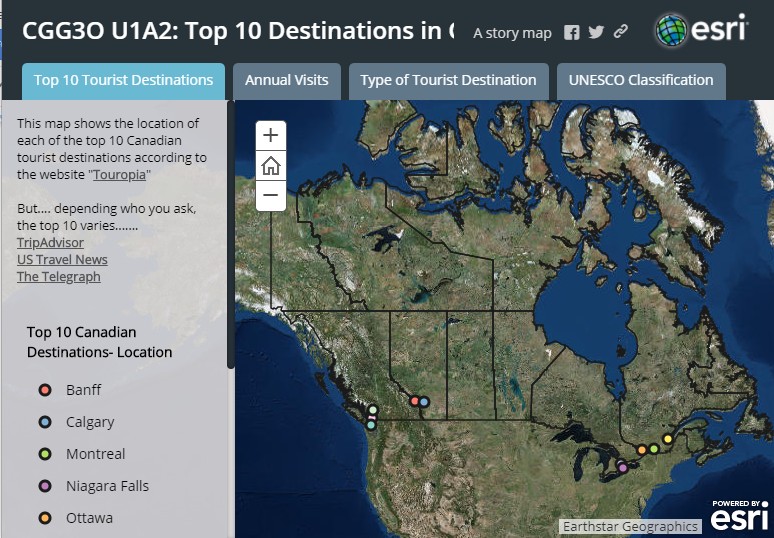
 Top 10 Destinations in Canada
Looking at these 10 locations across Canada, there is no doubt you could have guessed some of the places on this map, but it is also likely that you believe that there are a few that are missing.
- Which are those notable sites that you believe are missing?
- Are they more ‘important’ or ‘valuable’ than those that made the list?
- Which of the sites has the most annual visitors?
- Why do you believe that it does?
Add the locations that you believe should be added to the list of top destinations in Canada to your Travel Journal.

ACTION
What makes a Tourist Destination Successful?
There are many great cities and amazing sites in the world, but only some of them become significant tourist destinations. Why is that?
To be successful, a location has to have a number of features attractive to tourists, including:
- Landmarks: Some tourist destinations have various notable sites that help the larger attraction be that much more attractive. (e.g. The CN tower may draw people to Toronto, but there are many other popular tourist attractions in Toronto as well.) Other tourist destinations might have one unique landmark that draws people to visit that location (e.g. an amusement park). Either way, a successful tourism destination will have one or more notable landmarks that will draw people to that place.
- Tourism Services: Tourists rely on many services when they travel, from accommodations and restaurants, to emergency medical facilities, to transportation. These all need to be in place to support tourism.
- Community: The people who live near a tourist destination not only work in the tourism industry, but also help to create a welcoming atmosphere for visitors. Even though tourists may not be able to articulate that the community is welcoming, this is a very important aspect of success.
Types of Tourism
Just as there are different motivators that encourage people to travel, there are also different types of trips that people can take. These are often referred to as different types of tourism.
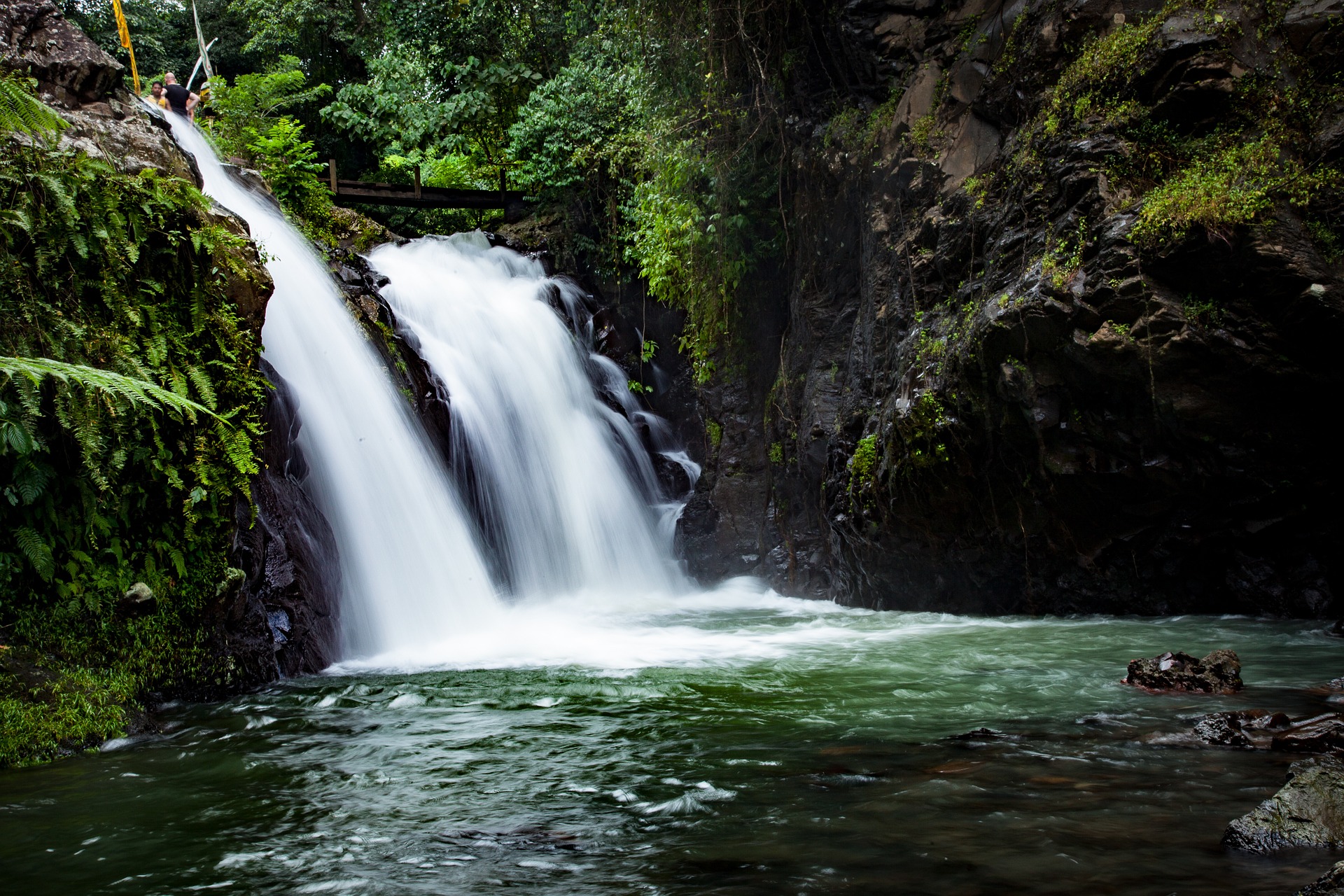
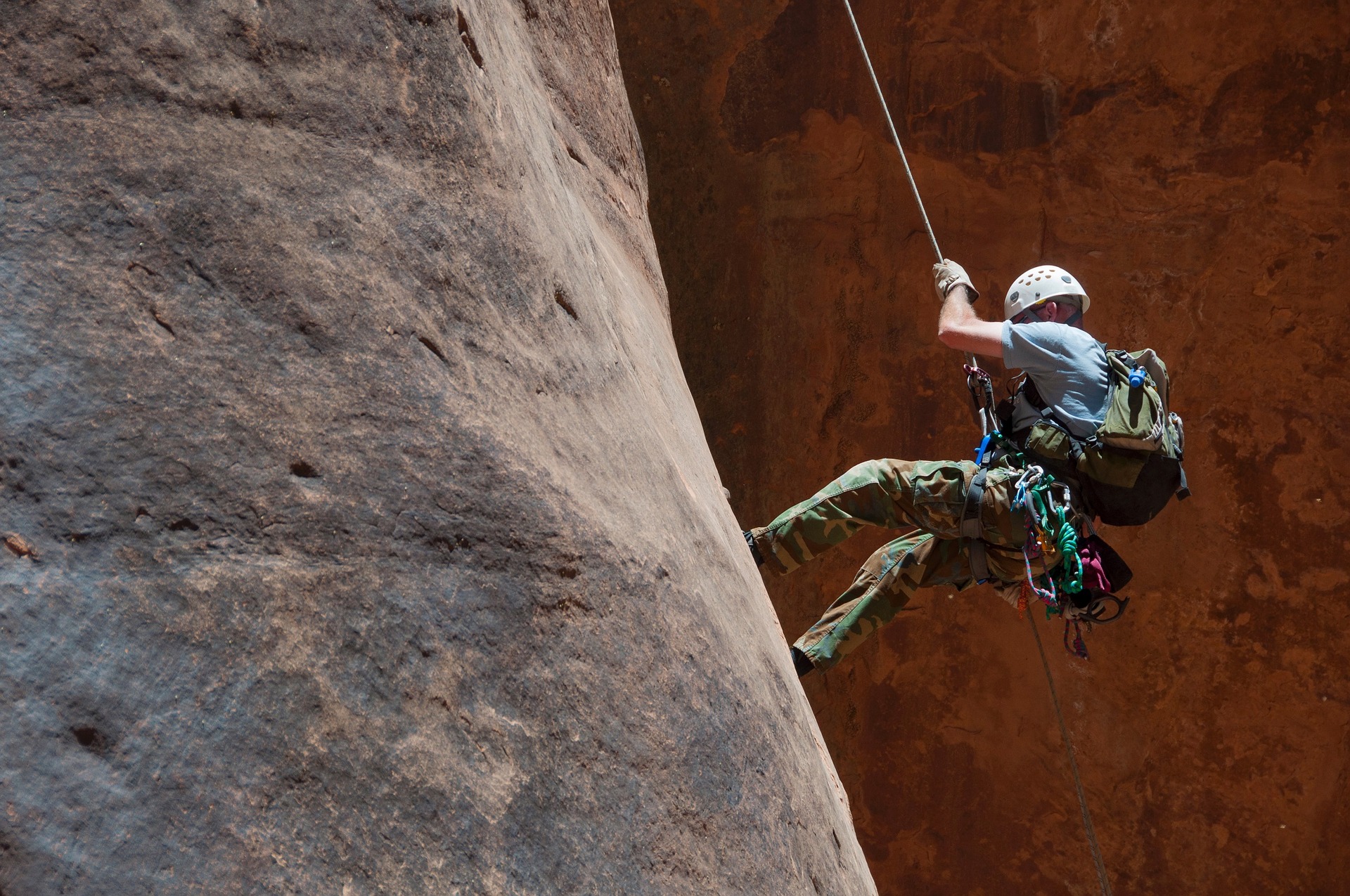



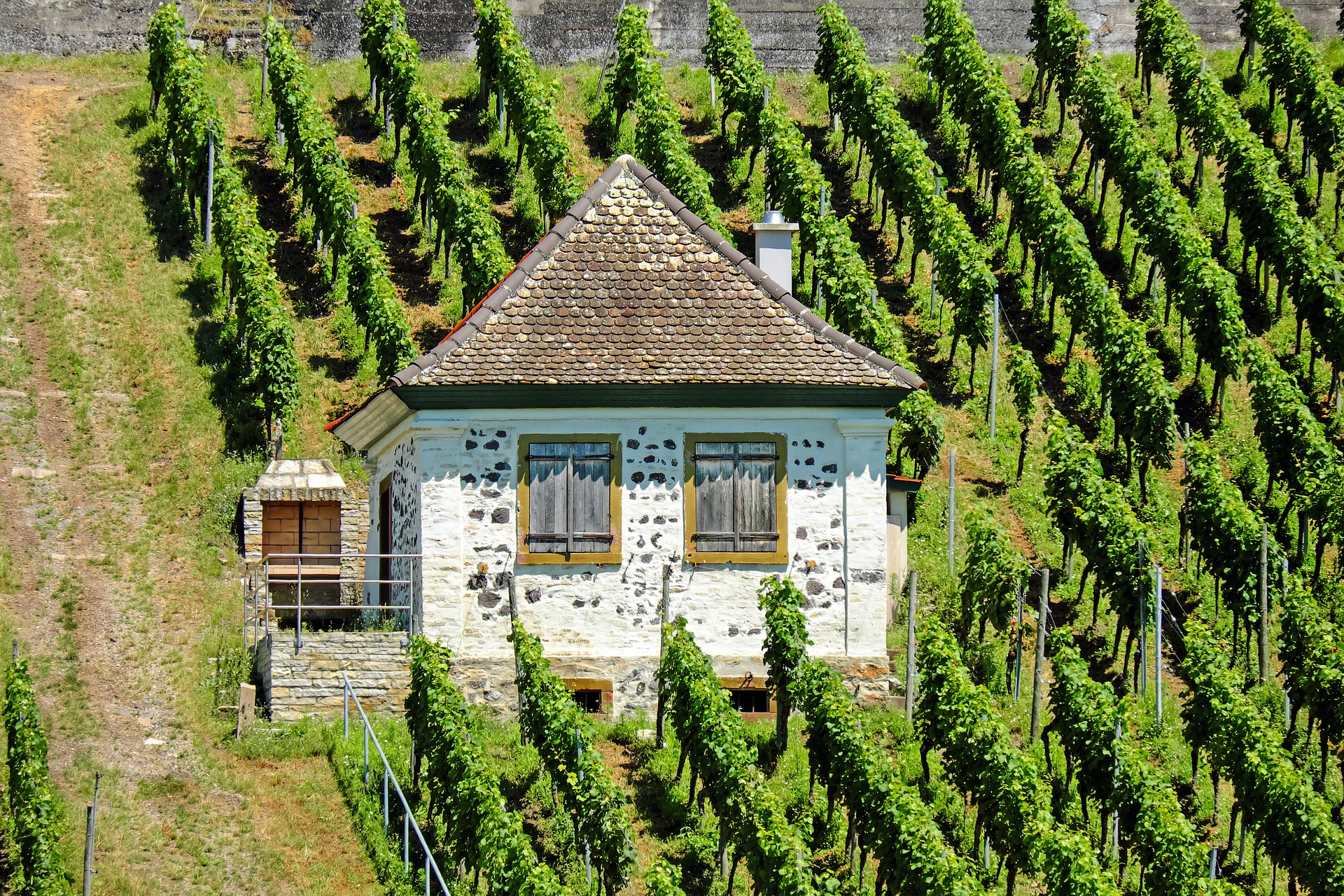




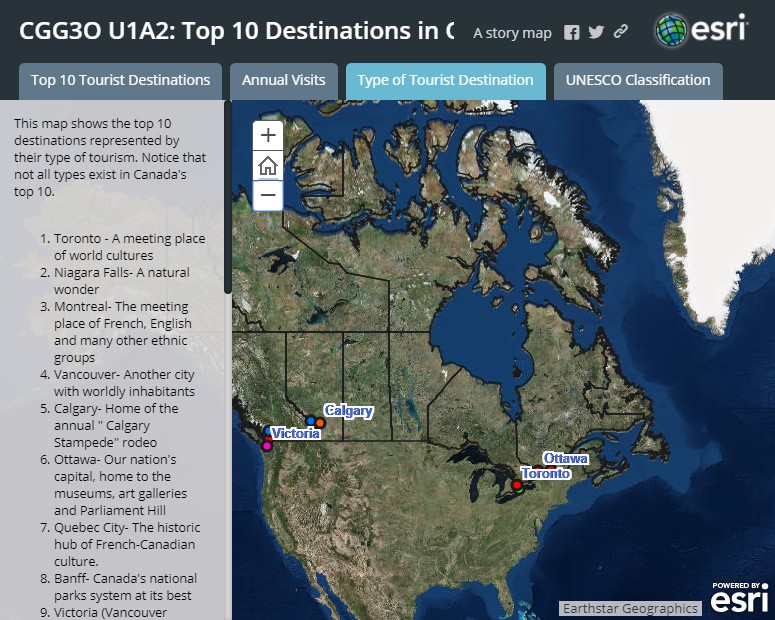
Returning to the map of the Top 10 tourists sites across Canada, click on the third tab labelled “Type of Tourist Destination.” By reading the information on Niagara Falls, you will see that often one location can be categorized in many different ways. Choose any of the other locations on this layer of the map and determine a second type of tourism that also occurs there.
Types of Tourist Destinations
Just as there are different types of tourism, there are different types of tourist destinations.
The UNESCO (United Nations Educational, Scientific and Cultural Organization) World Heritage List is compiled from nominations of sites around the world.

In order for a site to make the UNESCO list, it “must be of outstanding universal value and meet at least one out of ten selection criteria.” The criteria are split into Cultural and Natural, and are as follows:
| Cultural |
|---|
|
| Natural |
|---|
|
UNESCO Classification in Canada
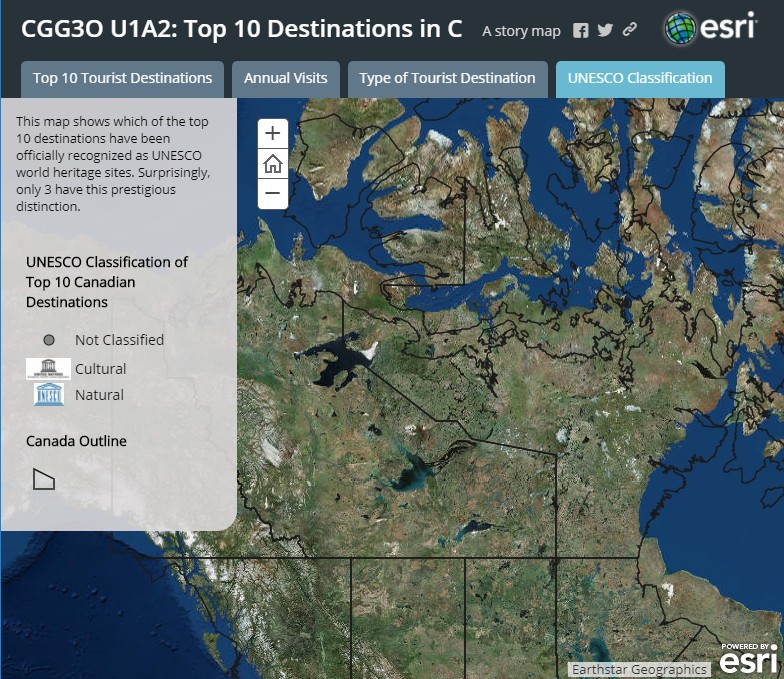
Returning once more to the map of the Top 10 tourist sites in Canada, visit the “UNESCO Classification” tab. You will see that while some of these locations have been included on the UNESCO list, many have not. Are there any choices that you disagree with when you consider the criteria above?
Major Tourist Spots Around the World
While UNESCO works to identify and protect important natural and cultural sites, these do not always overlap perfectly with the most popular sites around the world.
Top 50 Most Visited List
You may be surprised to see which locations are included on the list of the most visited tourist sites around the world. Take a moment to jot down five of your guesses for locations that made the top 50 list compiled by Travel+Leisure.com.
Top50
Did you know more than 25 of the 50? Have you been lucky enough to have visited any of the locations personally?
Work With It: The Most Popular Tourist Sites
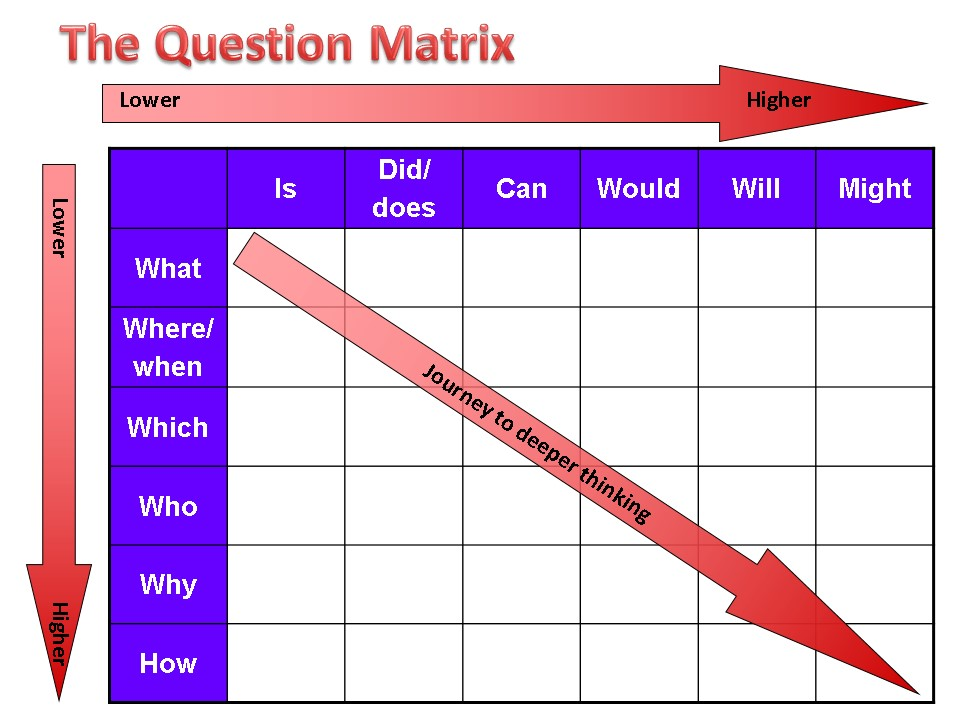
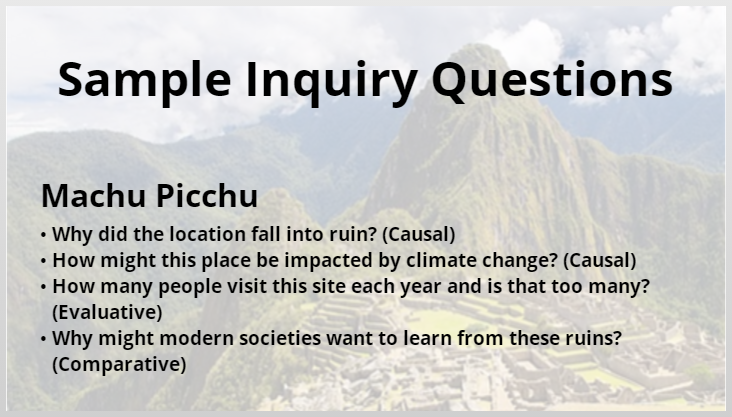
Select any one of the top 50 most visited sites from the slideshow. Develop one strong inquiry question that is based on that location AND considers its value as a tourist site. Remember that you can use the Question Matrix to help create your question. You can use the example from Activity 1, summarized below, as a guide.
Different Strokes for Different Folks
Just as the type of trip may change depending upon who is taking it, it is also the case that for one location - say Toronto - visitors of different ages may be interested in different attractions.
One group may want to go to the Ontario Science Centre or Ripley's Aquarium. Others may go to a Blue Jays or Raptors game or a concert on the waterfront. Maybe shopping is of interest so a visit to the Eaton Centre of Yorkdale is in order. Finally others may be looking for live music or theatre and head to King Street.
Targeting Travel Audiences
In fact, some travel companies specifically target different age groups. Compare the way that these two tour companies target different audiences. How does the style of the video differ? What tactics do they use to reach their target demographic?
Contiki runs a huge range of tours worldwide which are restricted to those between 18 and 35 years old.
Senior Discovery Tours offers vacations limited to adults who are 50 years of age or older.
Requirements of Tourists
Tourists need many different services as they travel. The first things that may come to mind are hotel rooms and car rentals, but what else does a location have to have in order to meet the needs of tourists? These may not be services that all visitors need, but that some may find themselves requiring. You could also consider what tourists spend money on as they travel.
Let's compile a list of services that tourists may need. However, before brainstorming, take a moment to learn a bit more about one example of religious tourism. The Hajj pilgrimage is very important in the Islamic faith. You can choose to watch this video:

or read the following article to learn the basics:
If you want to view any links in this pdf, right click and select "Open Link in New Tab" to avoid leaving this page. (View the original article.)
Record one service that tourists may require as they travel. Explain why visitors might need this service and also whether one type of tourist, or a tourist of a specific age, might need this service more than others.
Inquiry
In the first activity, you looked at how to formulate strong inquiry questions. The next component of the Inquiry Process that we will explore is the skill of gathering and organizing information.
Gathering and Organizing
Within the study of travel and tourism there is a great deal of information and data available. Some of it is quantitative, involving data and statistics, and some of it is qualitative, involving people’s experiences and preferences.
It is very valuable to know how and where to collect information, but also to be able to organize it in a way that is purposeful for our next step - Interpretation and Analysis. Click on each cog below to learn more.
InquiryProcess
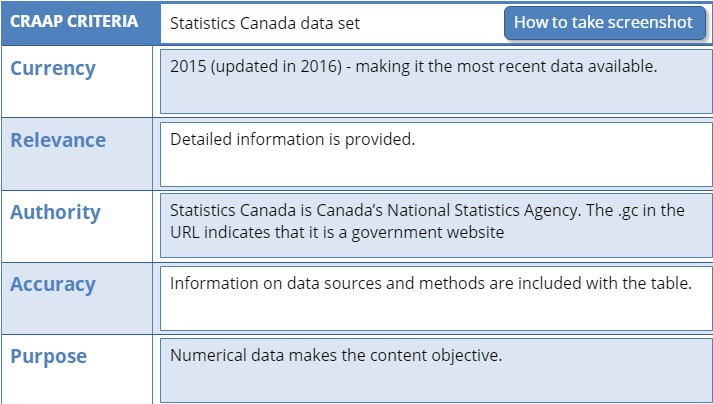
To gain some experience with the Gathering and Organizing step of the Inquiry Process, you are asked to look at some travel statistics. When collecting information, it is very important to know which sources are credible and can be trusted. The CRAAP criteria should be considered each time you are asked to collect information for this course.
Complete the interactive below. Pay special attention to the video that is contained within.
CRAAP
The following statistics have been pulled from the Statistics Canada Website, which passed the CRAAP test as the table below explains:
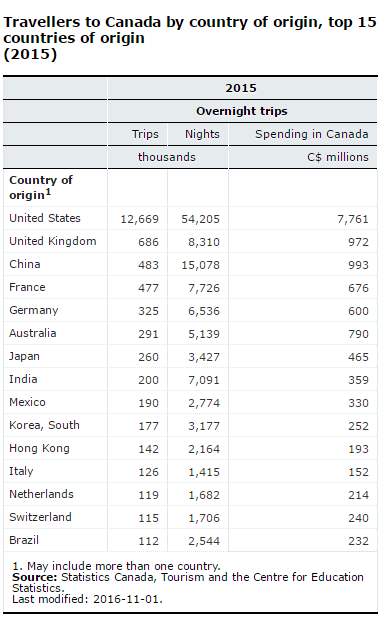
There is a good deal of information included in this table. Perhaps, though, we want to know where these international tourists are going when they are visiting Canada? That would require a different search and one that is a bit more difficult. Statistics Canada doesn’t have this information, so we would need to go to a different source to find that.
To explore this question, we can consult other sources, like the information gathered from an opinion survey. This survey, for example, took the most popular tourism site in each province and territory and ranked those 13 sites against one another.
According to the survey, here are the top 10 tourist sites in Canada:
If you want to view any links in this pdf, right click and select "Open Link in New Tab" to avoid leaving this page. (View the original article.)
Take a minute to think about the accuracy of this data set. A few criticisms should come to mind if we are using the CRAAP test.
- The survey might not present accurate “top attractions” in Canada, as readers in each province or territory had to select the top destination in their home province or territory. If three of the true top 10 sites across Canada were located in Ontario, only one would have made it through to the voting stage, striking the other two from the list immediately.
- Having people vote on their favourite attraction is difficult if they have not personally visited all 13 sites (and the number who have in a random sample could be very low).
- Finally, having people vote provides their opinion, but it doesn’t speak to how popular the attraction is. For this, you could consider admission numbers to each site. However, it would be quite difficult to count how many people went to Niagara Falls in a single year, for example, because tourists do not have to pay admission to look at the falls.
Therefore, this data set would not pass the CRAAP test. However, it is a starting point to understanding which sites Canadians consider most representative of the top tourism destinations in their country.
 Visitors to Another Country
Pick any country of your choice, and using the CRAAP test to guide your research, find either:
- visitor statistics that are comparable to the example above, explaining which countries represent the largest number of visitors.
OR
- statistics on the popularity of various tourist sites around the country.
You may not find a perfect data set. It may only have the top 10 countries, or it may not be from last year, but rather a few years old. Do not pick the first search result; keep digging to ensure that you have the best statistics possible.
CRAAPTemplate
Geographic Concepts of Thinking
In the first activity you looked at the spatial significance of a place - that is, what makes that place noteworthy. Now you will explore another geographic concept of thinking: Patterns and Trends.
GTConceptsPT
 Check Your Understanding
To be sure that you can differentiate between the two, indicate which of the following examples represent patterns and which represent trends.
- The dwindling number of animals participating in the annual caribou migration
- Pattern
- Trend
b. Trend
- Weekend weather conditions in London, ON as compared to those in Muskoka, ON
- Pattern
- Trend
a. Pattern
- Air pollution levels measured at various locations across the province
- Pattern
- Trend
a. Pattern
- Melting alpine glaciers
- Pattern
- Trend
b. Trend
- Ticket sales at two competing ski hills
- Pattern
- Trend
a. Pattern
- The change in the number of hotel rooms in Windsor over the past 40 years
- Pattern
- Trend
b. Trend
Types of Patterns
There are different types of patterns that can occur as well. While these can be tied to any geography topic, such as earthquake locations, large-scale farming operations or location of refugee camps, they can also relate to tourist sites.
PatternIntro
Think About It: Could Paris be in China?
This video ties in both the concepts of Spatial Significance and Patterns and Trends.
As you watch, consider what is significant about Paris, and whether those specific characteristics could be replicated in another location.
Hot Spots in a City: Patterns and Trends in Space
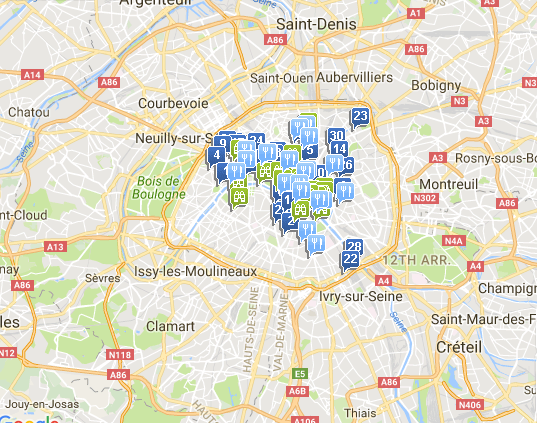
Let’s look at Paris as an example of Patterns and Trends (the Paris in France - not Paris, Ontario or Paris, China).
Think About It: Looking for Patterns
On this map, the green binocular icons represent attractions, the light blue fork and knife represent restaurants, and the dark blue numbers represent hotels.
- What pattern(s) can you detect from this map?
- Linear
- Dispersed
- Nucleated
- Concentrated
- Absent
c. nucleated
How have Discoveries Changed over Time?
Changing Discoveries
Have you ever watched the Indiana Jones movies? If not, they tell the story of an archaeologist who is called upon to rediscover lost civilizations, with a lot of exciting plot twists and a good deal of danger along the way. While real archaeology doesn’t work quite like it does in those movies, it also doesn’t look the same as it did 100 years ago.
While you watch this video, consider what has stayed the same about discovering ancient sites, and what has changed over time. What are the trends of archaeological work? Record your thinking in your journal.
Trends over Time: What a Difference a Month Makes!
At the beginning of this lesson, you learned about the different types of tourism. It’s important to note that not all of these types of attractions may be flexible enough to fit into your vacation timeline. For example, a Caribbean vacation may seem relaxing at any time of the year, but there are some important factors to consider that may alter your choice in destination or time of trip.
CaribbeanCost
Skills Focus: Reading and Interpreting a Graph
Check out this great video that explains how to read a graph and interpret trends.

CONSOLIDATION
Picking a Vacation Destination
Some people already have a destination in mind when they begin to plan a vacation. Others start by doing some research to learn more about different locations. That’s why so much money is spent annually on destination advertising. You will see billboards, print ads in magazines, and internet ads and videos, all of which are produced to sell you on a specific location.
But what are these advertising campaigns really promoting?
A Video is Worth a Thousand Words
Select any country and find a travel video that has been produced to invite visitors. For this task, stay away from home videos and those filmed by tour companies - rather look for something produced by the tourism council which represents the government’s tourism plan.
This video promoting winter visits to Canada is one example:
While viewing the video, answer the following questions:
- What type(s) of tourism is (are) this video promoting?
- What age group is this video targeting?
- Does the video promote natural or cultural attractions?
 Learning Goals and Success Criteria
 Learning Skills and Work Habits