
Making Travel and Tourism Sustainable
Leaving Only Footprints

MINDS ON
The Highest Point has the Best View
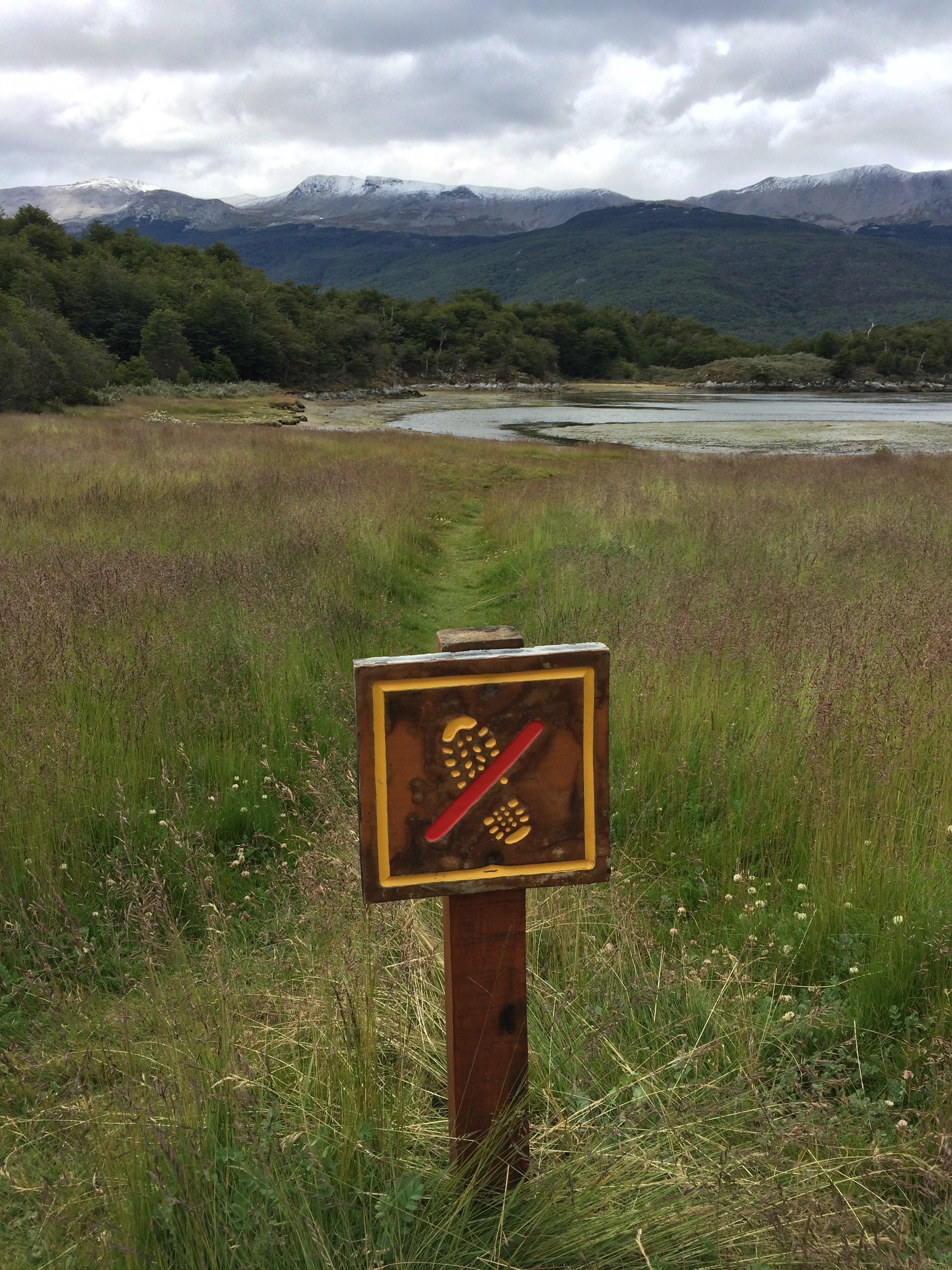
- Were you expected to be quiet and respectful?
- Did you have to stay on the marked path?
- Were there guide ropes that you were asked not to cross?
- Were there signs with rules at the entrance?
Why do you think these expectations were in place for visitors? There may have been a few different reasons, including various health, cultural, and environmental impacts brought on by tourism.
The video below was taken by a man who chose not to follow the rules, and it shows his climb up one of the great pyramids of Giza. It took him 8 minutes to climb up, 20 minutes to climb down, and he was promptly detained by the police after reaching the ground.
A few things you should know:
- The Pyramids of Giza are the oldest of the Seven Wonders of the Ancient World, at 4500 years of age.
- The outer stone covering, which would have made the sides smooth, has long since fallen off, and the resulting rubble has been removed from the site.
- It is illegal to climb the pyramids - this action may result in up to 3 years in prison.
If you want to view any links in this pdf, right click and select "Open Link in New Tab" to avoid leaving this page. (View the original article.)
In the end, this tourist was not arrested for climbing the pyramid, but he did receive a lifelong ban from entering Egypt.
 Consider This
Consider the following:
- Was what this man did wrong?
- Did the German tourist do any damage (physical or otherwise) through his actions?
- Did the consequence suit the crime?
- Does this 4500 year old structure deserve more respect and stricter protection?
Use the questions above to help you determine whether what this man chose to do was wrong. Record your thoughts in your Travel Journal.

ACTION
Unique Places
Recall from Unit 1 that the reason that many famous tourist sites exist is because they have an identified area or structure that is special in some way. By first identifying the site, it is then able to be protected by creating expected behaviour guidelines. Ultimately, the goal of any tourist site is to allow as many people as possible to visit and enjoy the site without causing irreparable damage.
If there are no limits on the number of people that could visit a park, or no rules about where they could or couldn’t walk, camp, build fires, put garbage, etc., then very quickly the site would suffer, as would the plants and animals and tourists who visit.
Tourism has the Power to Protect

In Unit 1, you were introduced to the UNESCO World Heritage Organization and the work that they do to protect tourist sites around the world. For a refresher on the work that the organization does, and the difficulties they face, please watch the following video:
How Places can be Protected
There are a few different ways that places (or tourist sites) can be protected.
ProtectingSites
 Travellers Code of Conduct
Shy of finding a sign that asks you to behave in a certain way, how do you know what behaviour is appropriate for a tourist?
Often people have their own ‘Code of Conduct’ that they believe their behaviour should adhere to. There are also many versions of Travellers Codes of Conduct that you can find through research. Select one Travellers Code of Conduct of your choice and complete the analysis tasks listed below.
- State the code itself (copy the points into your work).
- Indicate the source.
- Identify if it is specific to a single site, or if it could be used as general guidelines for travellers anywhere in the world.
- Identify what you believe to be the strengths of the code you have selected.
- Identify any weaknesses or missing areas in the code you have selected.
- Make connections between the code of conduct and one of the Concepts of Geographic Thinking of your choice. Consider how the code of conduct represents or implies these concepts. You may wish to revisit these topics in the previous Unit.
- Spatial Significance (definition:How does the uniqueness or importance of a place impact specific rules of conduct/the desire to protect it?)
- Patterns and Trends (definition:How does the age of a site or past experiences of tourism at this place impact specific rules of conduct/the desire to protect it? )
- Interrelationships (definition:How does following a specific expectation from the code of conduct impact a site’s ability to be protected?)
- Geographic Perspectives (definition:How does the code of conduct reflect the social/cultural perspective of the people who created it? Or, how does the code of conduct reflect the social or cultural perspective of its target tourists? )
Protecting our own Backyard
In fact, it isn’t just major tourist sites that should have protection. Consider places that you have visited in Ontario or Canada. These may even include notable places in your own home town.
Suggest a place that you believe could use protecting. This may be local (i.e., the park down the street), national, or international. Include, in your Journal:
- a description of the location, including a photo if possible (from the Internet or one that you have taken yourself).
- an explanation of why you believe it needs to be protected.
- how you would propose to increase protection. Explain your choice.
- Rules
- Legal Consequences or Penalties
- Restricting the Number of Visitors
- Education
 Stewardship of Tourist Sites In Risk
While looking at the infographic below, consider which of the locations (and situations) is most interesting to you.
If you want to view any links in this pdf, right click and select "Open Link in New Tab" to avoid leaving this page. (View the original article.)
Select one of the locations named in the infographic, or a location of your choosing, then do some research to learn more about the location.
In a format of your choice (i.e., infographic, mind map, presentation, etc.), include the following:
- Write a summary of why this site is of natural, cultural or historical significance.
- Make connections between the importance of the site that you have selected and one of the Geographic Thinking Concepts of your choice:
- Spatial Significance (definition:How does the uniqueness or importance of a place impact specific rules of conduct/the desire to protect it?)
- Patterns and Trends (definition:How does the age of a site or past experiences of tourism at this place impact specific rules of conduct/the desire to protect it? )
- Interrelationships (definition:How does following a specific expectation from the code of conduct impact its ability to be protected?)
- Geographic Perspectives (definition:How does the code of conduct reflect the social/cultural perspective of the people who created it? Or, how does the code of conduct reflect the social or cultural perspective of its target tourists? )
- Describe the threats that face this site (possibilities include: overuse, environmental impact, theft, vandalism, over-development, exploitation of the locals, etc.).
- Identify any designation (i.e. UNESCO, etc.) or rules that are in place currently to protect the site.
- Write your own evaluation of the current situation. Are the rules in place proving to be effective?
- Suggest changes that could be made to further protect the site.
Be sure to include a Reference List (In APA format) with your finished product.

CONSOLIDATION
Canada + UNESCO = A Partnership of Protection

Currently, there are 18 UNESCO-protected sites in Canada - 8 of these are cultural and 10 of these are natural.
Click on the map below to learn more about the 18 Canadian UNESCO sites.
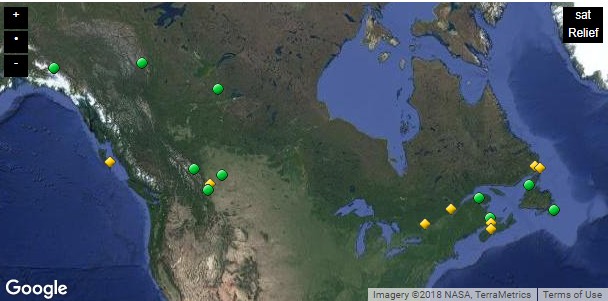
Canadian UNESCO Sites
Using the website shared above, or any additional resource you choose, your task is to learn more about these Canadian UNESCO sites.
After learning the basics about the sites on your assigned list, determine which of the sites you identify to be most worthy of the UNESCO designation. In doing so, explain the importance of your selected site, while comparing it to at least one of the other sites that it ‘beat out’ in the same category.
 Learning Goals and Success Criteria
 Learning Skills and Work Habits