
The Past, Present and Future of Tourism
New Directions

MINDS ON
Consider the Possibilities
Human curiosity has always lead us to try to predict the future.
This magazine cover from 1951 predicted that, very shortly, everyone would have their own ‘flying car’ in their garage. Driving on roads to get to your destination would be a thing of the past!
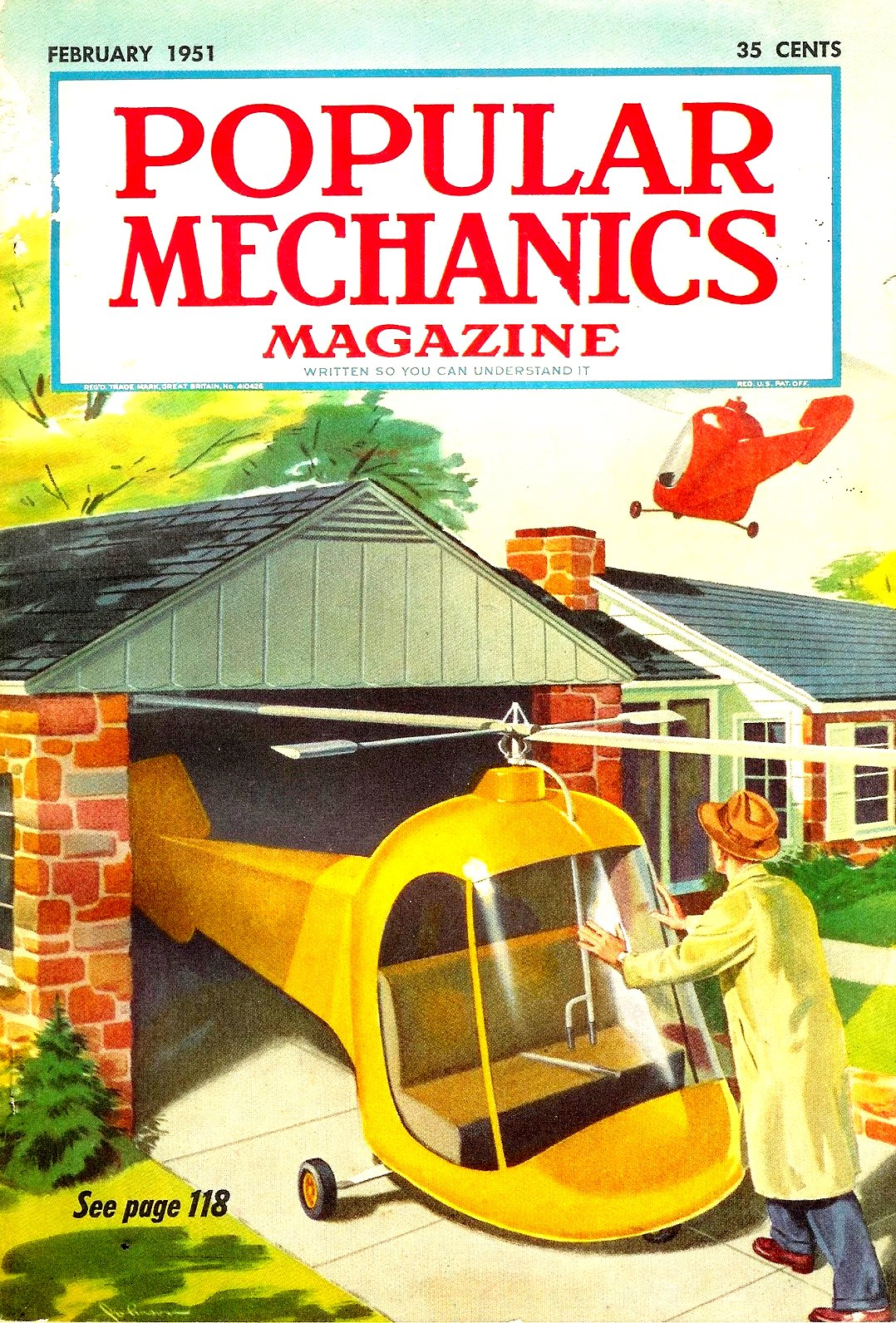
Clearly, almost 6 decades later, this is not an everyday occurrence.
 Consider the Possibilities
When you think about travel in the future (let’s say in the year 2050), what do you think of?
Record your best prediction about what seeing the world will be like by suggesting where we will travel, how we will travel, or what we will travel to see.

ACTION
Travelling has always been about seeing new things. New methods of transportation (planes, speedboats, etc.) allow us to travel further from home in shorter periods of time. New rules and policies (such as countries opening their borders to foreign travellers) allow us to see new parts of the world.
The History of Travel
In the 1800s and 1900s, members of upper class European society would undertake the ‘Grand Tour’ when they reached the age of 21. Chaperoned by a family member, they would travel through Italy and France, and sometimes as far afield as Egypt, studying history and culture as they went. It was considered to be part of their education, and the trip could take up to a year.
Remember that there were no cars, planes or trains in this time. All travel was done by horse and buggy and then eventually steamships and rail. Back then, no one outside the upper class had the time or money to travel. Everyone worked hard simply to survive.
A New Era of Travel
We have arrived in a time when the whole world is accessible to travellers with very few exceptions. While it remains true that we still need to have the money and time, many more people find themselves in a situation where they have the disposable income to travel internationally. We can go almost anywhere we like because transportation is much more available.
So what’s next? Where is the next frontier?
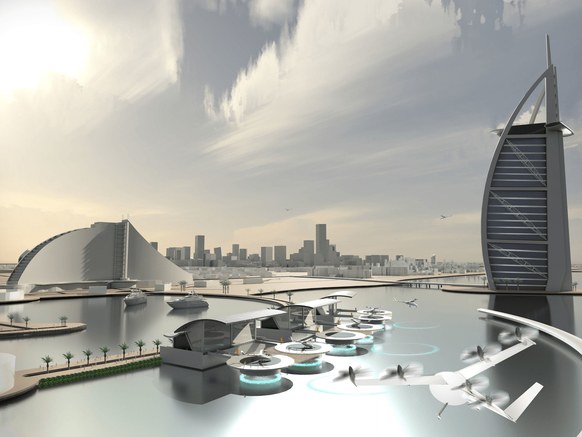
1. Flying Cars
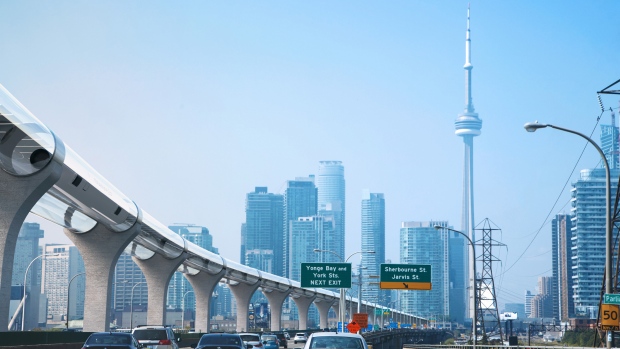
2. Toronto to Montreal in 39 minutes via Hyperloop
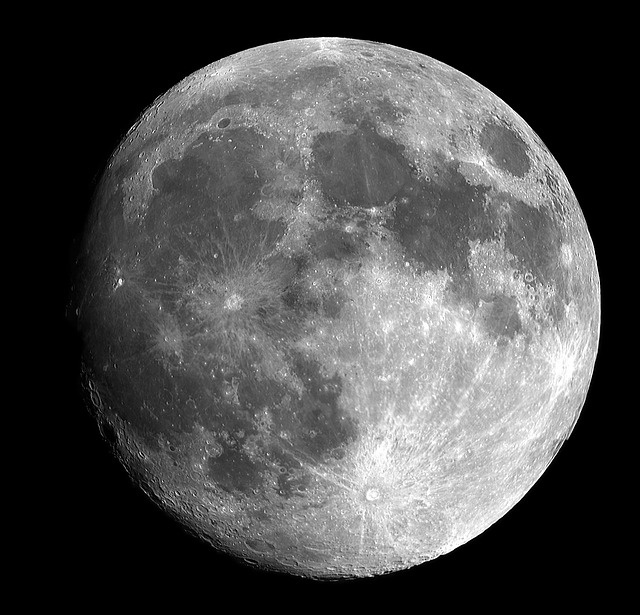
3. Paying Passengers can Visit the Moon
4. Driverless Cars become the Norm
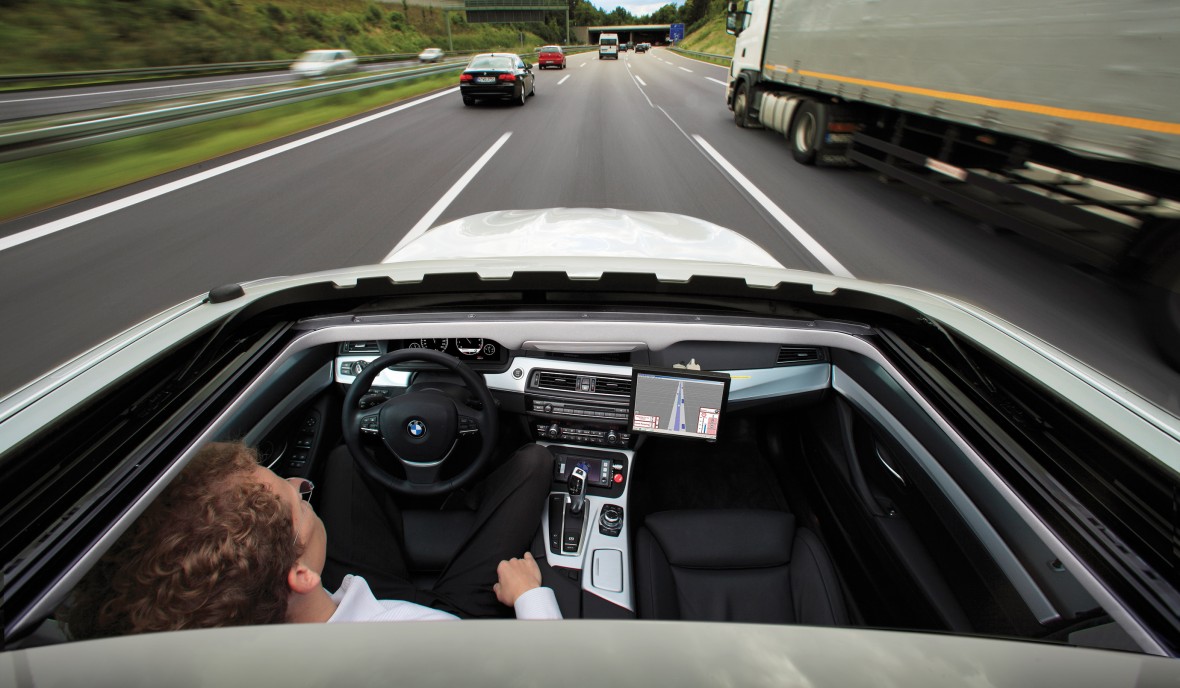
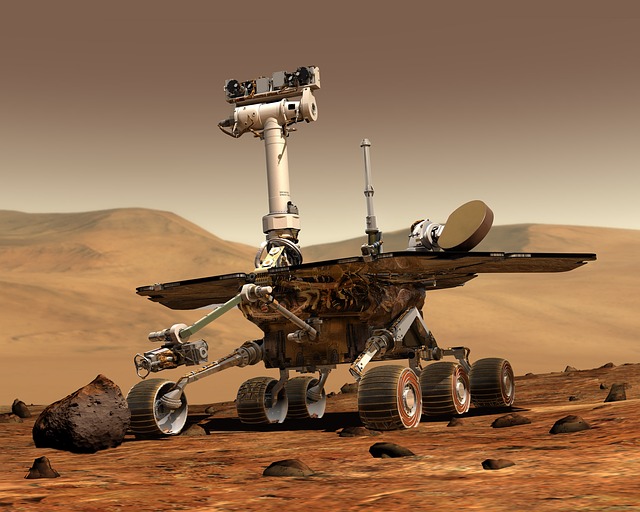
5. Travel and Colonization of Mars
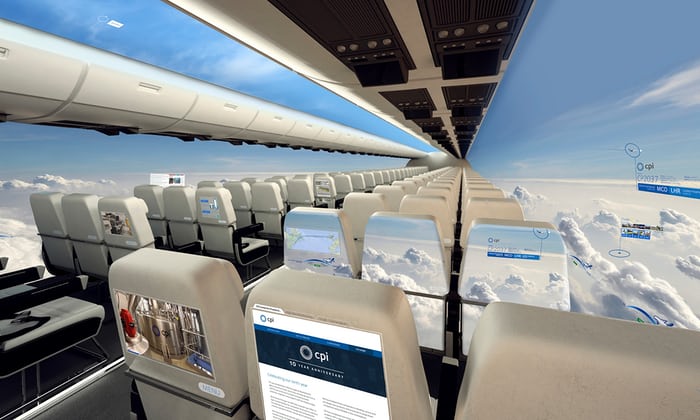
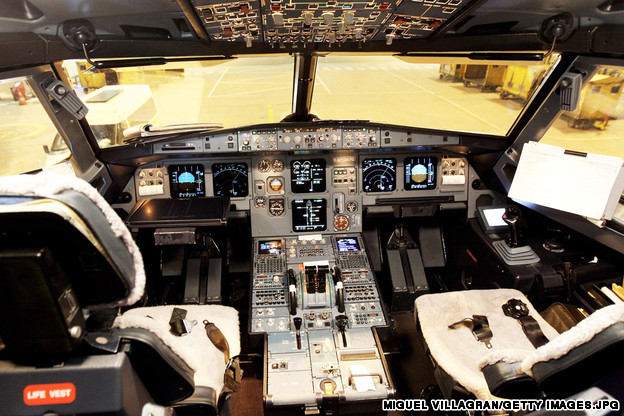
6. Windowless Airplanes
7. Space Elevator
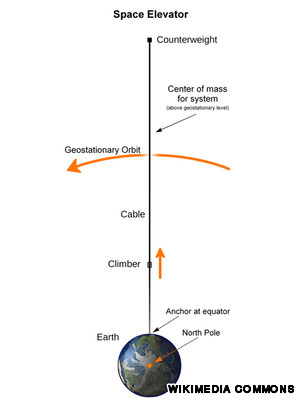
by Skyway and Booyabazooka used under ShareAlike CC BY-SA
8. Pilotless Flights


 A New Era Of Travel
After reading through the examples of future travel above, arrange the items in the order in which you believe they will occur on a timeline.
- Flying Cars
- Toronto to Montreal in 39 minutes via Hyperloop
- Paying Passengers can Visit the Moon
- Driverless Cars become the Norm
- Travel and Colonization of Mars
- Windowless Airplanes
- Space Elevator
- Pilotless Flights
Each of the items above have been proposed by people who believe they can make them into a reality. Some are still in the idea phase, while others have raised the money to begin development and are well on their way to becoming a reality.
Looking at the timeline that you have created, do you believe that
- any of these will be a reality by 2050?
- any of your predictions from the beginning of this lesson should be added to this timeline? Where would they fit?
 Off the Beaten Path: How Important is Safety?
Another important consideration with these future possibilities is the risk associated with them. We take flying and driving for granted now. Even though there are accidents, statistically you are pretty safe traveling from Point A to Point B.
What about in space travel? Is the risk worth the reward?
Would you sign up if money was not a barrier, even if the company could not guarantee your safety?
Consider This: Travel in the Year 2120
Travel has come a long way in the past 100 years. Where will the next 100 take us?
Write a short speculative (definition:hypothetical) paragraph describing what ‘normal’ travel will be in the future. You might want to begin with something like, “In the year ____” or “Within my lifetime...” before describing a trip or tourism experience of the future.
The second part of this task is to defend your writing. What do you honestly think about the idea you have presented? Will it become reality or not? Both answers are perfectly valid, but you must explain your thinking.
Travel Journal: A Fresh Start
If we do come to a point where traveling to the moon and Mars are regular occurrences, we would have an opportunity to do things differently - to have a fresh start.
What mistakes would you be able to avoid by looking at the mistakes of the past that have been made in other tourism destinations? For example, at one point people were allowed to climb the Pyramids of Giza. As you saw in an earlier activity, that is no longer the case because we want to protect them and we know that climbing on them causes them to erode. Consider specific locations and problems from earlier in the course or from your own research; also consider your own suggestions for how to prevent these problems if we were to begin to explore space travel..
Canada’s New Role in Space Launches
Did you know that a ‘space port’ is planned for development in Nova Scotia?
Because of many geographic factors, space launches can’t take place just anywhere. However, Nova Scotia has been identified as a suitable site. Canso has been selected because it is close to the water for transportation of the rockets, and it is an unpopulated area, meaning there is a reduced chance that debris from a failed launch would impact humans. Although the proposal is to launch unmanned satellites at the moment, there is nothing preventing this from becoming a manned space tourism centre in the future.
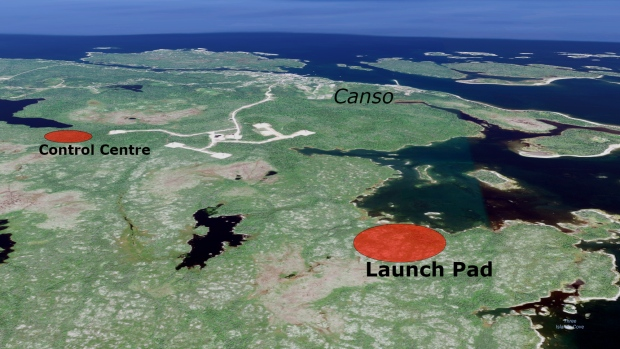
Read more about the plan for this spaceport site in the article, “It is rocket science: New details revealed about proposed space port in Nova Scotia" from CBC.
If you want to view any links in this pdf, right click and select "Open Link in New Tab" to avoid leaving this page. (View the original article.)
Voluntourism
At different points in this course you have touched upon the idea of voluntourism - traveling to complete volunteer work. This could range from building houses, to assisting with disaster relief, to working in orphanages. You have likely heard the names of organizations that help facilitate these trips - Me to We and Habitat for Humanity, for example - but there are many more, like Love Volunteers, GVI Canada and Volunteering Solutions. The traveller pays the organization, and in return has an experience and accommodations ready for them when they arrive. In fact, Carnival Cruises now offers a ‘social impact’ cruise where you can enjoy a traditional Caribbean cruise vacation; however, at the ports of call you participate in volunteer activities. Is this a win-win? Do you think it’s actually possible to ‘do good’ in 8 hours?
While voluntourism sounds like a great idea on the surface, it’s actually a complicated topic.
Voluntourism
The voluntourism industry is booming! Experts say that as many as 10 million volunteers are spending up to $2 billion US a year to participate in these experiences.
Step 1:
Find a company that provides voluntourism experiences, and select a specific trip and location that they are currently offering that is of interest to you.
Step 2:
Create five inquiry questions that you have about the trip - these are questions that you might ask a company representative as you consider whether to book the trip. Try asking questions that really get at the social value of the experience and organization.
You may wish to revisit the question matrix as you brainstorm.
Step 3:
Complete some research to answer your questions. Make sure you look at the material the company has produced, and also at information that is in opposition to voluntourism or information that suggests reasons to question it. Are there any negative or questionable aspects to this trip or company that you can find in your research?
Step 4:
Evaluate the experience and the value that it has to the local people involved, the larger community, and the traveller.

CONSOLIDATION
The Evolution of Travel and Tourism
This activity looked at the historic, current and future trends in tourism. One irrefutable fact is that travel has changed greatly over time and will continue to do so.
Consider one aspect of travel and tourism that exists now, but that you believe will be a thing of the past in 2050. For example, having to plan a road trip around gas stations will be a thing of the past! Your example might be a destination, a type of activity, or a type of travel. Record your thinking.
 Learning Goals and Success Criteria
 Learning Skills and Work Habits