Case Study 2: Summer
Summer is a 15-year-old member of the Ojibway First Nation, and lives in northern Ontario, Canada. She currently lives in a customary care agreement because her immediate family was not able to care for her. Customary care is similar to foster care for First Nations children, except it allows them the opportunity to maintain contact and connectedness with their community, customs and values. Her caregivers were selected by the First Nations community instead of by an agency. Summer is doing well and is in school now.
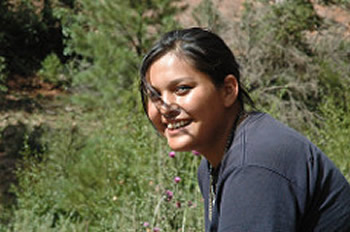
However, life has not always been easy for Summer. Summer’s mother battled addiction issues and her father was incarcerated. Her mother worked really hard to turn her life around and is making progress. Her grandparents were in the Native Residential School System and suffered horrific abuse that left them scarred and disconnected from their culture and way of life. It impacted their ability to parent, and may directly or indirectly explain why Summer’s parents developed their own poor coping strategies.
Her living conditions before the customary care agreement were quite poor, and she often had to fend for herself and take care of her younger siblings if her mother was drinking.
Summer often finds daily life difficult. She has experienced racism, and has had students at school throw rocks at her and call her names. She has also had indigenous friends complete suicide and suffer sexual abuse. Summer believes that there needs to be more mental health services available to indigenous youth, and thinks the government needs to make this priority.
Some days it’s too much, and Summer wants to quit school and give up - but she wants a different life. If Summer graduates, she will be the first person in her family to do so. She would like to graduate and become an advocate for her indigenous community. The Canadian government has recently offered an apology, and has begun reconciliation for the Residential School System, but it is not enough and people are struggling.