
Global Social Challenges
Documentary Review

MINDS ON
In each activity in this course, you have studied social issues and campaigns for social change. One very important aspect that should be considered regarding these campaigns is the way in which they choose to share information and spur people into action. While there are numerous options, including print material, public gatherings or rallies, petitions, or conversations, one increasingly common method to share information is through the use of documentary(definition:A film that portrays an actual event or story that is factually accurate and contains no fictional elements.) films.“
I don't know what truth is. Truth is something unattainable. We can't think we're creating truth with a camera. But what we can do, is reveal something to the viewers that allows them to discover their own truth.
~ Michel Brault

ACTION
Social Change through Film
The first official documentary film is thought to be Nanook of the North, which was shot in 1922. Though fictional in some parts, it was intended to capture Inuit life before European influence from an ethnographic(definition:The study of people and cultures.) lens. In it, American director Robert Flaherty focused on his understanding of what was required for everyday survival while living in Northern Canada. His depiction of this, in a time when few people traveled to, or had any awareness of, life in the far north, gave many people a glimpse into a way of life that was very different from their own. However, Flaherty was non-Inuit – and this affected his perspective. Inuk throat singer, Tanya Tagaq, believes this film to be riddled with "Eskimo"(definition:Eskimo is a term often seen as derogatory or offensive that is used incorrectly to refer to all Inuit peoples.) stereotypes as filmed by a non-Inuit man. This raises critical questions in documentary-making: who's telling the story and whose story is being told?
One of the reasons that documentaries are very effective in creating social change is that they allow people to see events, situations, and people to which they may never otherwise be exposed, or about which they may not have any awareness. Documentaries also describe a situation in a way that people can understand while using powerful visuals and personal stories. By learning about a situation, and by having real faces and names to associate with the issues, many people feel as though they can, or should, research the issue further and then choose to become involved or lend their support.
Over the past few decades, there have been a number of very powerful, and very popular, documentaries released, including:
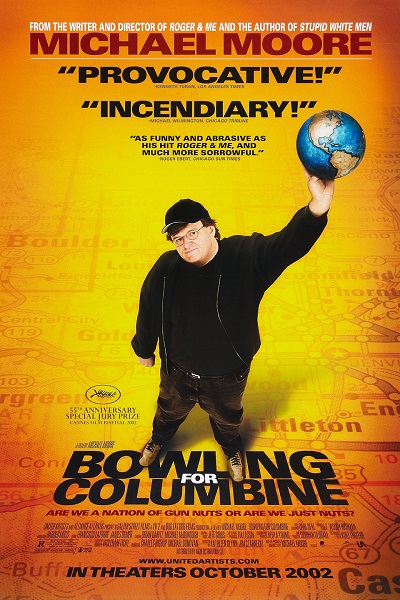
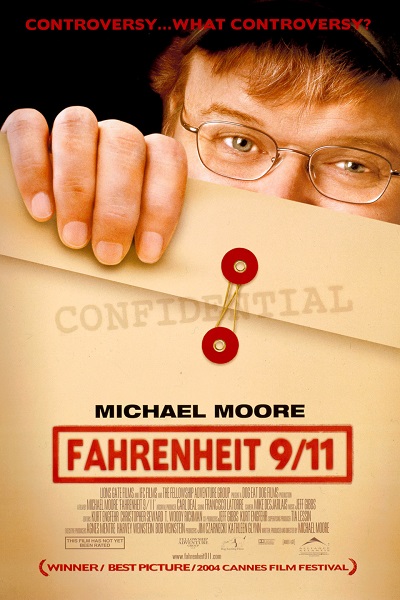

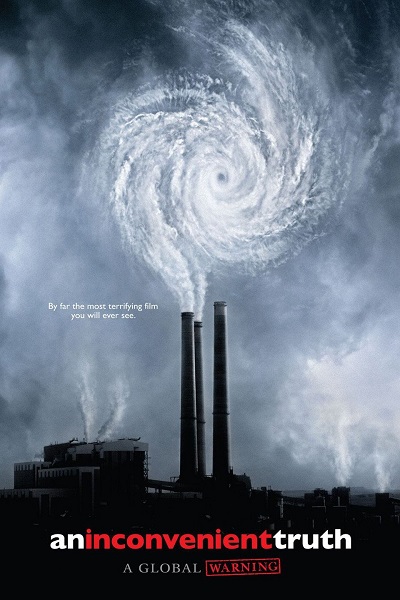
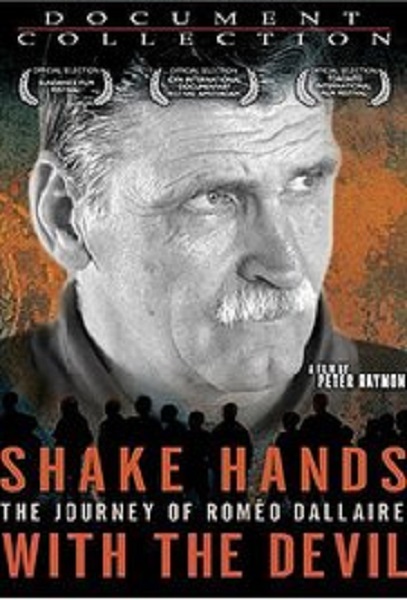
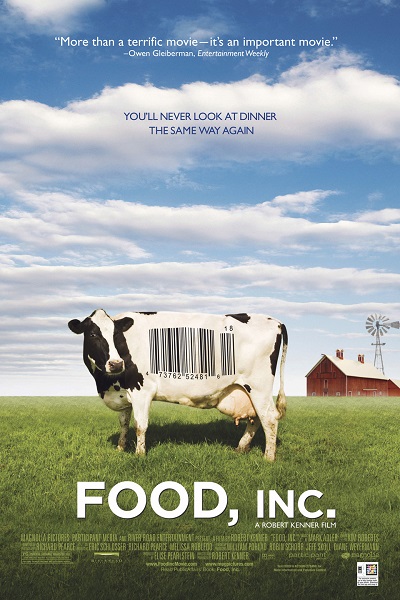

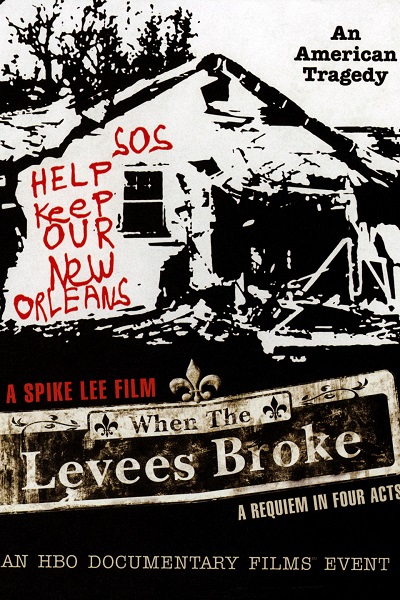


There are other options for providing social commentary outside of documentary films, as well. For example, the Pixar and Disney animated film Wall-E was a cautionary tale where the Earth of the future was a waste-covered planet inhabited only by robots.
Other films that have socially conscious messages include Erin Brockovich, Schindler's List, Hotel Rwanda, Slum Dog Millionaire, A Beautiful Mind and Milk. These films, while not purporting to be entirely factual, still encourage audiences to ask questions and to learn more about the issues they portray.
Telling a Story through Film
There was a time when only major movie studios could produce and promote a film because of technological and financial restrictions. This is no longer the case.
As an early example, from 1998 – 2008, Speaker's Corner operated in Toronto and a number of other Canadian cities. This was a video recording booth that anyone could enter; it would allow you to record your thoughts on any current event or local interest topic. The Speaker's Corner in Toronto became so popular that a weekly television show was created to share the videos that people were making in the booth.

Taking this trend one step further, using a very low cost digital camera, people can now make feature-length documentaries that can be produced and shared on a large scale, often with little or no cost to the filmmaker. Bruno Torturra, a journalist and photographer, shares this message in the video below:
Celebrity Spokespeople
Another way in which the film industry is tied to social change is the trend where celebrities have personal causes to which they choose to affiliate themselves with in order to help those organizations reach a larger audience.
Although the list of celebrity spokespeople is extensive, below are a few examples.
celebrities
 Film Review
In order to understand how it might be used to encourage awareness and social change, you will take a critical look at an existing documentary and write your analysis of it.
Your task for this lesson is to watch and create a film review of a feature length documentary of your choice that is related to social change. For examples of the movie review format, visit Rotten Tomatoes or Roger Ebert. You will notice that these reviews tend to be brief but densely packed with information for their audience: however, be sure to satisfy the points listed below. There are many free documentaries available online. You may choose to begin by visiting Top Documentaries or Documentary Addict, but may of course choose your own source, as well.
Be sure to include the following information in your review.
- State the title, filmmaker and production date of your chosen documentary.
- Supply a link or location where the documentary can be viewed if possible.
- What score out of 10 would you give your chosen documentary? Why? Should others view it or not?
- What social change issue was the documentary highlighting? What message did the director want to deliver to the audience?
- What background information was given to the viewers to help them better understand the issue? What must the viewer know to understand the context?
- Discuss the process of change that was demonstrated. What strategies were used? Consider direct action, protest, advocacy, community organization, revolution, and political activism.
- Was a research method involved?
- How universally applicable is this story? Does it pertain to only one place or group of people or is it global in scope? Explain.
- Was any deviant behaviour demonstrated? Did it evoke change?
- What techniques were used to draw the viewer into the social issue e.g., music, visuals, testimonials, etc.?
- Is there any bias evident in the documentary? Explain/justify your response.
- In your opinion, was anyone exploited in the story the documentary tells or in the making of the documentary?
- Is the viewer's world view challenged or expanded through watching this documentary?
- Give an APA citation for the documentary.

 Learning Goals and Success Criteria
 Learning Skills and Work Habits