
Course Culminating Activity
Course My Learning Journey

MINDS ON
As we reach the end of this course, it is important to acknowledge both where you started and the path that you have taken to arrive at this place.“
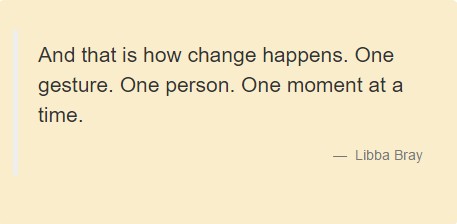
And that is how change happens. One gesture. One person. One moment at a time.
~ Libba Bray

ACTION
Thinking Back While Looking Forward
First, take a moment to complete the survey below. You may recall that you completed this once before in the first activity of the course to capture your thoughts at your starting point. You saved that survey as a pdf. As you complete it now, consider the ways in which your current thoughts and beliefs may have changed. The comparison of the two sets of results will serve as evidence of your learning journey throughout this course, and perhaps more importantly, throughout your own Campaign for Social Change.
Survey
As you compare the responses from U1A1 to your current responses, consider the following questions:
- What has changed with regards to your thoughts and/or opinions? Why do you believe it has changed? Which lesson or event(s) covered in this course stands out as the most meaningful to you?
- What thoughts or beliefs of yours have remained unchanged? Why do you believe they were not altered?
 Quote
Quote
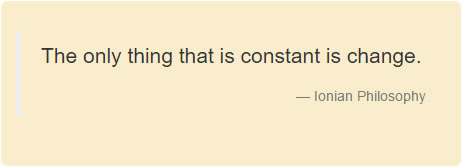
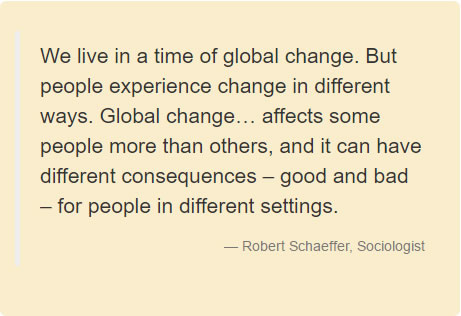
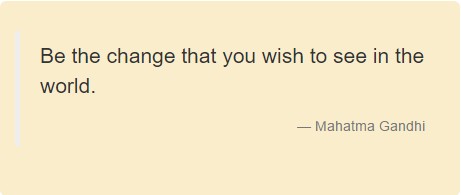
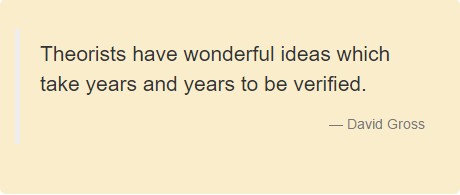
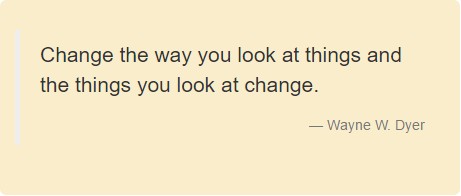
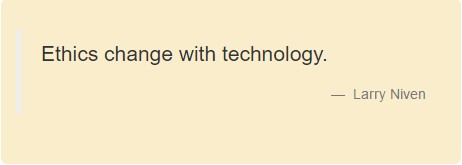
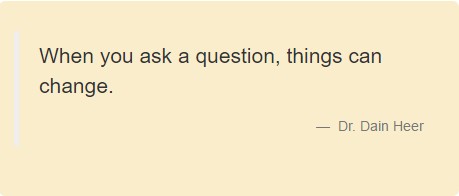
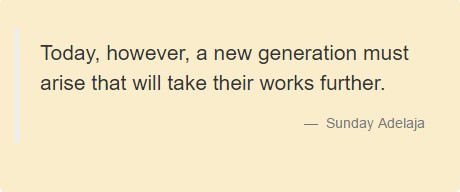
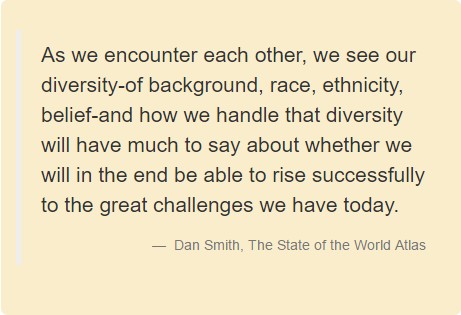
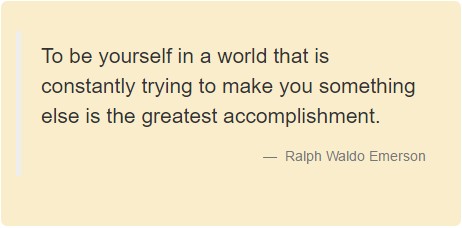
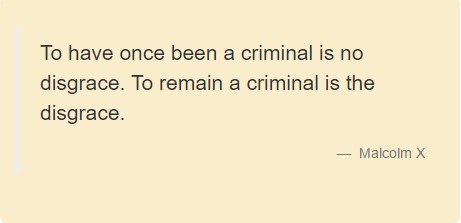
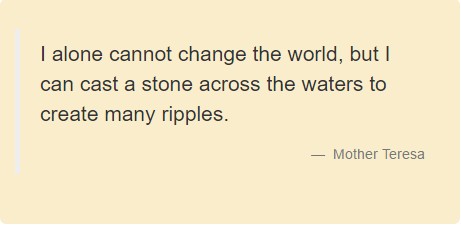
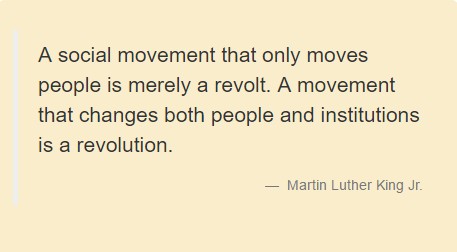
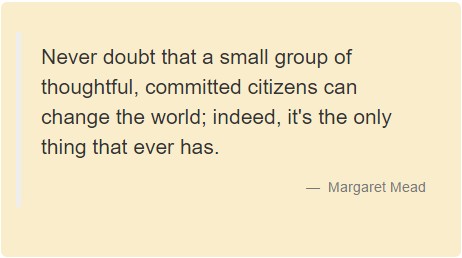
In the slideshow below, you will see the quotations that were at the beginning of each of the 20 activities you have completed. These quotations all revolved around the idea of social change, and specifically, they were linked with the topic or task within each activity. Choose a quotation that you find poignant(definition:Affecting or moving the emotions.) and meaningful on the topic of social change. Explain why you have selected this quotation and the message that it conveys to you.



Reflections on Your Campaign for Social Change
In this activity, you will provide some analysis and also, reflect as you assess your own work.
 My Campaign Reflection
Your reflection can take absolutely any format that you wish – video, audio, presentation, described visuals, written analysis, etc. – as long as it includes the following information.
- If you were to begin again, would you select the same topic/issue? Please explain.
- Do you believe that your Needs Assessment provided accurate and beneficial information for your campaign? Please explain.
- What would you modify about your Action Plan if you had the opportunity to rework it?
- If you had the opportunity to extend your work given more time and resources, what would your next step be in order to reach more people? Consider the audience, format, supports needed, etc.
- Could/should this Campaign for Social Change go global? Please explain.
- Hindsight is 20/20. What words of advice would you give a learner who was about to begin planning her or his own Campaign for Social Change?
- Do you believe that your Campaign for Social Change, brought to life through your Action Plan, succeeded in creating change?
The Learning Outcomes of this Course
The final task for this learning experience is to reflect on the course itself and your own learning within it.
Learning Expectations
Below you will find the 13 overall learning expectations for this course. Select the three areas in which you feel you have demonstrated the most personal growth. For each area, describe both your beginning and end point, and what you feel prompted the improvement/learning along the way.
- Research and Inquiry Skills
- A1. Exploring: explore topics related to the analysis of social change, and formulate questions to guide their research;
- A2. Investigating: create research plans, and locate and select information relevant to their chosen topics, using appropriate social science research and inquiry methods;
- A3. Processing Information: assess, record, analyse, and synthesize information gathered through research and inquiry;
- A4. Communicating and Reflecting: communicate the results of their research and inquiry clearly and effectively, and reflect on and evaluate their research, inquiry, and communication skills;
- Social Change
- B1. Foundations for the Study of Social Change:demonstrate an understanding of the major theories, perspectives, and methodologies related to social change;
- B2. Causes and Effects of Social Change: demonstrate an understanding of the causes and effects of social change;
- B3. Technological Change: demonstrate an understanding of patterns and effects of technological change from a social science perspective;
- Social Patterns and Trends
- C1. Demographics: demonstrate an understanding of the importance of demographics as a tool for studying social patterns and trends, both nationally and globally;
- C2. Forces That Shape Social Trends: demonstrate an understanding of how forces influence and shape social patterns and trends;
- C3. Social Deviance: demonstrate an understanding of social science theories about social deviance, and of how various responses to deviance affect individuals and society;
- Global Social Challenges
- D1. Global Inequalities: demonstrate an understanding of how various social structures and conditions support or limit global inequalities;
- D2. Globalization: assess the impact of globalization on individuals and groups;
- D3. Exploitation: analyse the impact of unfair or unjust exploitation of people or resources, locally and globally.
Learning Skills
Below, you will find the learning skills that are evaluated for each student taking a secondary course in Ontario. Please take a moment and provide an honest estimation regarding your demonstration of each of these skills. Your responses are for your own goal-setting as you move forward.
LSReflection

CONSOLIDATION
Take a moment to look back over your work and personal growth throughout this course and consider what you have accomplished. Hopefully, you have grown in your global perspective, you are able to critically analyse the social movements that you see in social media and everyday life, and you are confident that you as an individual do have the power to make a difference. Undertaking a Campaign for Social Change is not an easy feat and you should be proud of your efforts and successes.
Remember as you move forward beyond this course that you can be a part of change by leading, or by adding your efforts to a cause, because “…that is how change happens. One gesture. One person. One moment at a time.”
 Learning Goals and Success Criteria
 Learning Skills and Work Habits