
PPZ3C
Unit 1: Factors That Determine Good Health
Activity 4: Change, Change, Change...
I am not what happened to me, I am what I choose to become.
The following video, Rewind the Future, is an anti-obesity or wellness PSA (Public Service Announcement). The video looks at Jim’s life in reverse, beginning in a cardiac emergency room where his heart is in cardiac arrest. The video then shows all of the lifestyle choices that Jim made - and others made for Jim when he was a child. The choices led to a series of health issues, including obesity, which resulted in Jim’s heart attack at age 32.
This PSA deals with sensitive subject matter. This has led some people to question whether this type of message is appropriate for a PSA.
 Assignment: Yes or No - You Be the Judge
You are a member of a social science research group. Your main mandate is to make sure that content on the local television network is appropriate for all viewers, and that the shock factor is not too disturbing. You have been asked to preview the commercial about Jim and his life to determine the message of the commercial and judge its appropriateness.
- Identify three behaviours suggested in this commercial that lead to long term health concerns or support life long health.
- Explain how these behaviours are shown in the commercial. How did they either lead to Jim’s health concerns or support Jim in living a healthy life? For example, what connections are being made to healthy eating, or physical activity, or adult influences on children’s life-long patterns?
- Identify who you think the intended audience is for this message (e.g., parents/caregivers, adults, teenagers, children) and judge if it is too shocking or if it is appropriate for the intended audience.
Use this graphic organizer to gather your information and make your judgement about the messaging of the commercial and its appropriateness for its intended audience.
Carpe Diem!
?
How are you prepared to make the most of today - and each day - as you work your way through this course, and ultimately, towards a happier and healthier life?
Have you ever heard of the phrase: "Carpe Diem!"?
It is a Latin phrase meaning "Seize the Day."
It is often used to encourage someone to make the most of each moment of life, or of each day, rather than worry about the past or the future.
This lesson will focus on ways to help change your unhealthy practices into healthy habits so that you can avoid ending up in an unfortunate place with an untimely death.
We will look at the stages of change to help you to choose to live your life to the fullest. Living your life to the fullest will allow you to seize each and every day!
Change in Attitude

From the visionhelpblog
As the young child in the picture moves up the steps, facing his struggles along the way, his attitude changes from an "I won’t do it" attitude to a "Yes I did it!" attitude when he reaches the top of the stairs.
Each step represents the feelings people face when they are trying to make changes in their life. There are five stages that people go through when they want to be successful at any type of behavioral change.
The model was developed by Dr. James Prochaska and Dr. Carlo DiClemente in the 1970s and helps to describe what happens when people make major life changes.
At first, it targeted smokers who were trying to quit, but this model has now been adapted for other wellness behaviors such as physical activity, nutrition, and alcohol or other drug reduction.
?
Think carefully... Think about a change you want to make in your life or are in the midst of making in your life. Identify the change you are considering or are making. Which stage best describes where you are now?
Watch this video to learn more about the stages of change, which is also referred to as the Transtheoretical Model of Behaviour Change:
Stages of Change
1. Pre-contemplation
If you’re in the pre-contemplation stage, you are not considering a change in your behaviour. Others could be telling you there is a problem, but you are prepared to keep things the same.
2. Contemplation
In the contemplation stage, you might not feel that change is even possible! You really don’t know where to start! This could be a time that you start to feel either anxious or happy about the thought of a new habit.
3. Preparation/Determination
In the preparation stage, you are determined to make a change and start actively moving towards your goal. You might get help from others around you, and, like the Do One Thing Campaign, small changes have started to happen!
4. Action
In the action phase, you are actively committed to change. You start to implement your smart goals. This is a very important part of planning to have a successful change!
5. Maintenance
In the maintenance stage, you’re keeping up the changes you made during the "action" stage. It is sometimes considered the hardest stage. If you focus on how much better you feel, it allows you to see why you should stick to your new habits!
Relapse
Relapse is a common part of trying to make any life change. Sometimes this is referred to as the sixth stage, and often causes people to stumble on the way to meeting their goals. It is important to remember that this is common, and having supports in place to get you back on track will be critical. You can go back and forth between stages several times on the way to cementing habits that stick!
If you find yourself in the relapse stage of attempting to change your health or wellness you could try some of the following strategies to help you get back on track. Be compassionate with yourself; give yourself a break - change is not easy. Be mindful of why you wanted to make the change and of your actions. Change your routine, join a fitness class, or trying something new. All of these strategies may help you get back on track.
 Resources
- You can read much more about each stage by visiting PsychCentral.
Assignment: Finding Reliable Sources to Help You Make Some Changes
Time to interpret and analyze...
In Activity 3, you completed a mini inquiry where you had to gather and organize information and reach a conclusion using your evidence. However, did you stop to think about where your information came from?
With technology, there is so much information at our fingertips. However, the question you have to ask yourself is “what is the quality of that information?” In other words, how do we know if the information we find is reliable and accurate?
To assess the quality of your source, whether it’s a website, a newspaper article, a speech, or a photo, you need to analyse your sources in terms of the following four criteria:
- currency;
- reliability;
- accuracy; and
- point of view.
The following CRAAP test interactive will help you see what you should be looking for when assessing a source:
The following resource from Mercer University presents some questions to consider when analysing your resources.
Your task is to find three different reliable websites outlining how to support yourself in making a change.
- List each of the three websites and briefly describe why the advice on each site you chose was helpful.
- Use either this graphic organizer version 1 or this graphic organizer version 2 to further analyse one of the websites you found.
Assignment: You Be the Coach
The following article from the Huffington Post, written from the point of view of a personal trainer, outlines the five stages of change as they relate to physical activity and provides useful strategies for supporting someone through each of the stages.
It is time to put your knowledge of the stages of change into action as a life coach who is supporting an individual to make a positive change in a behaviour to support her or his personal health and wellness.
- Read the magazine article.
- Select one of the individuals from the photos below to coach.
- Use this graphic organizer to record your answers to the following tasks:
- Using your knowledge about the stages of change, explain what each stage of change might look like for the individual you have chosen to coach.
- Explain what you might hear the individual say to indicate the stage of change she/he is in.
- For each stage, provide one strategy you would suggest to help your client move to the next level of change.
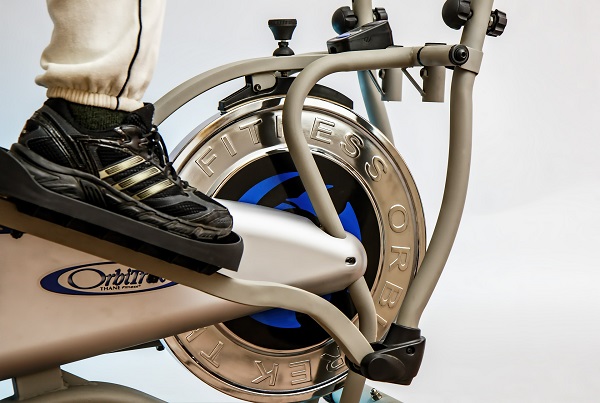
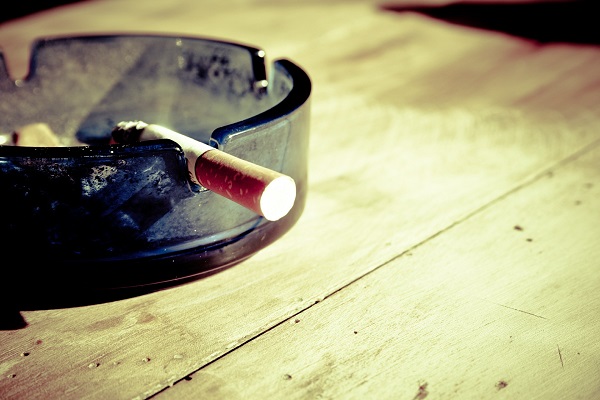

Use this graphic to help you create examples of what you might hear your individual say to indicate her/his current stage of change:
From Tickety-Boo Health Coaching
You may want to take a look at this completed exemplar to give you an idea of what is expected in this assignment.
Barriers to Exercise
From MovementInspired
There are many different barriers to exercise. Here are the top five reasons most often mentioned.
- There’s not enough time
- I don’t have enough energy
- I’m not motivated
- It’s too expensive
- I’m sick or injured
We have spent time during this unit talking about the stages of change model, your personal barriers to making a change, with increased physical activity being the starting point for our discussion. One of the first things you need to consider when attempting to make a change is finding out where you are on the readiness for exercise continuum.
Assignment: What Keeps You From Being More Active?
- Take this quiz to discover your personal barriers to a health and wellness change.
- After recording your answers, add up your results on the bottom of the quiz.
- Take a picture of your answers or save a copy of your answers in your notebook.
- Answer the following questions.
- What were your top two barriers to participation?
- Do you think this is accurate? Why or why not
- Describe what you could do to start to overcome these barriers.
- Which of the five stages of change do you see yourself at right now when it comes to exercising or being active? Explain your reasoning for selecting your current stage of change.
Not sure how to overcome your barriers? Read these tips for overcoming barriers to participating in physical activity.
 Introduction
 Learning Goals and Success Criteria
 Learning Skills and Work Habits
 Rubric 1