
DESCRIPTION OF INTERACTIVE
Binary Fission
The parent cell undergoes cell division to create two new genetically identical individuals. The original parent is lost in the process.
Sample organisms: most members of the Bacteria kingdom, the protist Amoeba, and the protist Paramecium.
Budding
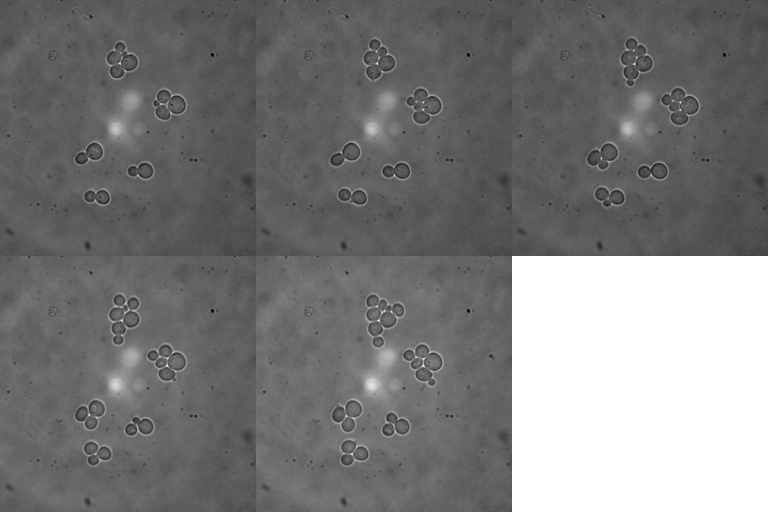
Mitotic division results in an outgrowth or ‘bud’ on the side of the parent body. The bud continues to grow in size, and eventually separates from the parent. The new individual is genetically identical to the parent, and the parent is preserved.
Sample Organisms: The fungi phylum of Yeasts, and the animal Hydra.
Fragmentation

The body of the parent breaks (fragments) into two or more pieces, with each piece having the ability to generate the missing parts and form a new genetically identical individual. The original parent is lost in the process.
Sample Organisms: The animal phylum of flatworms and the animal Sea Star.
Vegetative Propagation

A new, genetically identical plant is formed from a piece of root, stem, or leaves from the parent plant. The parent plant is usually preserved in the process.
Sample Organisms: wide range of plants from all Plantae phyla including non-vascular plants like moss, vascular non-seed producing plants like ferns, gymnosperms like cedar trees, angiosperms like trillium, etc.
Spores
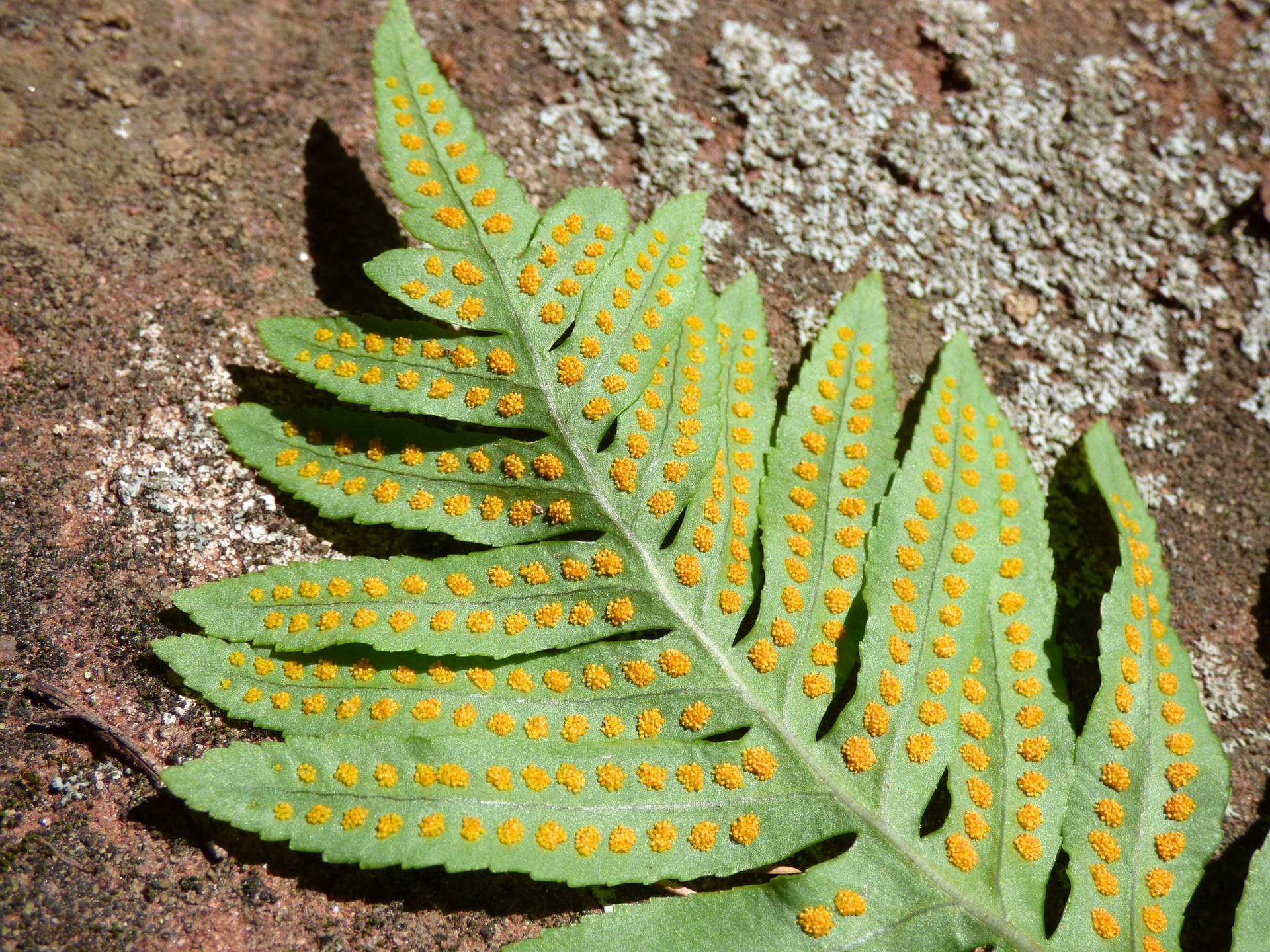
Spores are reproductive cells that contain identical genetic information to the parent. These sporangia have tough outer cases to protect the genetic material inside. Once released, a sporangium will grow into a new organism if the conditions it lands in are favourable. The parent is preserved in this process.
Sample Organisms: The vascular non-seed plant including ferns, the fungi including bread moulds, and the fungi including mushrooms.