
Earths Spheres, Ecosystems and Protected Spaces
Ecosystems in Flux

MINDS ON
One Small Change
Can one single event really impact the ecosystem in which we live? Let us have a look at some photos of events that have occurred and analyze how they could potentially impact an ecosystem.
EventAnalysis

ACTION
Alien Species Invasion!
An invasive species (definition: This is a species that is not native to a given area, and is considered to be a threat to the environment, health or economy.) is a species that is not native to a given area, and is therefore considered to be alien or invasive. Invasive species are seen as a danger to the environment, human health and even the economy of a given area. Have you heard of any invasive species in your local area?
Here are examples of three widely known invasive species that we have in Ontario:
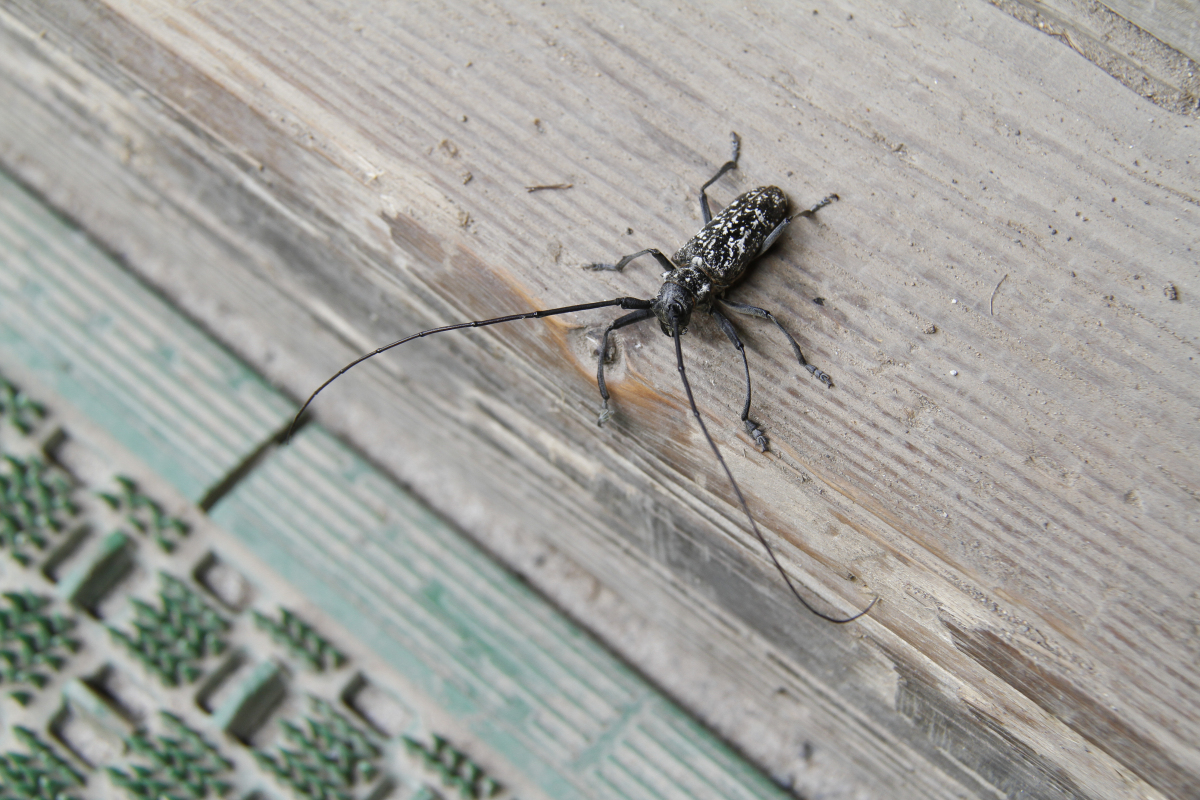
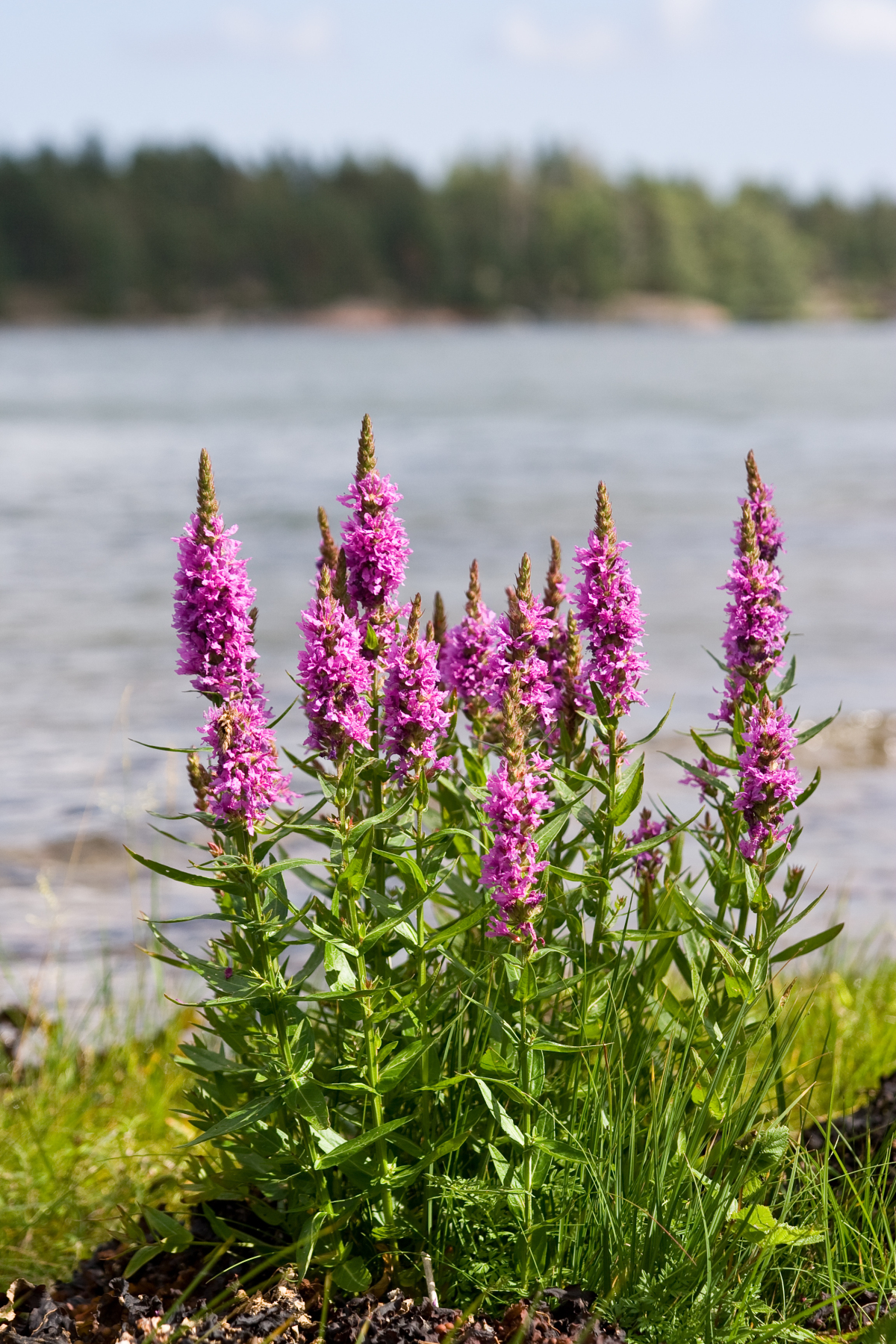


These images certainly don’t make these species look too dangerous, do they? However, species such as these can have a massive impact on the health of an ecosystem, humans and the economy. The Asian Longhorn Beetle attacks hardwood trees. Purple Loosestrife can threaten wetland areas and the Round Goby eats eggs of native fish species.
Check out this video to see an example of how one invasive species, Asian Carp, is having an effect on the Great Lakes.
As we can see, invasive species see no borders and when we share a resource such as the Great Lakes with the United States, it’s important that both countries share responsibility in the management of these issues.
The Dangers of Invasive Species
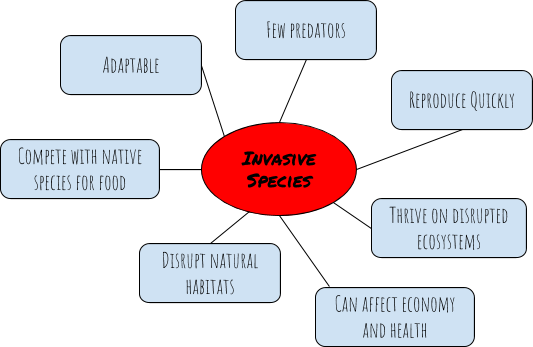
 Invasive Species
Phragmites, Rusty Crayfish, Zebra Mussels and Giant Hogweed are four other invasive species that are impacting our province. How close are these alien invaders to your local community? Complete the following interactive to find out.
AlienInvaders
When are your satisifed with your ranking and explanation, save your screenshot to your Portfolio.

CONSOLIDATION
 Stop the Spread!
We know that invasive species are wreaking havoc on our local ecosystems, so now it is time to take action. How can you help to end the spread of invasive species in your local area? You will tackle this issue by completing the Stop the Spread challenge.
Step 1: Choosing an Invader. Choose an invasive species that is affecting Ontario and has NOT been covered in this activity. Conduct research by using reliable web sources, videos and podcasts.
Step 2: Reaching Your Audience. You will create something that educates Ontarians about your chosen invasive species, generates a call to action and informs them on how they can help to end the spread of this species. This product is meant to actually create change, so you must consider your intended audience and how best to reach them. An example of an action can be seen in some Canadian towns where they have weekly weed pulling parties to get the community involved in ending the spread of a certain invasive plant. How will you reach your intended audience? Will it be a short video that could be spread on social media? An infographic that could be posted in shared community spaces? A newspaper or blog article?
Step 3: Planning for Success. After you have completed your research on an invasive species affecting Ontario, and you have chosen your method of presentation, you must ask yourself the following before proceeding:
- Who is my target audience and how can I reach them?
- How will I ensure that my message is informative and educational?
- Will I use a logo or a slogan so that my message sticks with the audience?
- Is my proposed action actually doable and have I encouraged people to take action?
Step 4: Make it Happen. Once you have done your research and completed your planning stage, it is time to make it happen. Create your campaign to bring about change and stop the spread. Whether it’s a video, blog post, newspaper article, or infographic, make sure it demonstrates your understanding of how this species has impacted the ecosystem and what humans can do to bring about positive change.
Self-Assessment Checklist
| Yes/No | Tasks |
|---|---|
|
I have provided supporting details and a thorough explanation of the dangers of my chosen invasive species and the threat it poses to the ecosystem. |
|
|
I have given the audience tangible ways that they can help to stop the spread of this invasive species. |
|
|
My chosen method of presentation is polished, appealing to an audience and shows evidence of good planning and flow. |
 Learning Goals and Success Criteria
 Learning Skills and Work Habits