
How do others share their voices?
What are media texts saying?

MINDS ON
Media and Marketing
In today's society, you are engaging with media texts numerous times over the course of the day, and the media industry is quite skilled at producing, marketing and distributing texts that they know will be impactful on their target audience(s). Many companies use marketing research to help them create texts that they know will connect with their audiences, so that they can sell their products more effectively.
The Rainforest Alliance is a company that engaged in a very effective marketing campaign with their "Follow the Frog" commercial. Watch the commercial below. As you are watching, think about the following:
- Do you find this commercial relatable? Why or why not?
- Who do you think is the target audience?
- Do you think it raised awareness of an issue? Why or why not?
- Who do you think produced this text?
- Do you think it helped sell their products? Why or why not?
- Do you think YouTube is the best medium for this commercial? Why or why not?
 Video Deconstruction
Now that you've watched the commercial and thought about the questions, read this deconstruction of the video. What further conclusions can you draw from this analysis? Record your ideas in a method of your choosing, and be prepared to share them in Reflection #7 at the end of this lesson.
If you want to view any links in this pdf, right click and select "Open Link in New Tab" to avoid leaving this page. (View the original article.)

ACTION
Exploring Media Texts
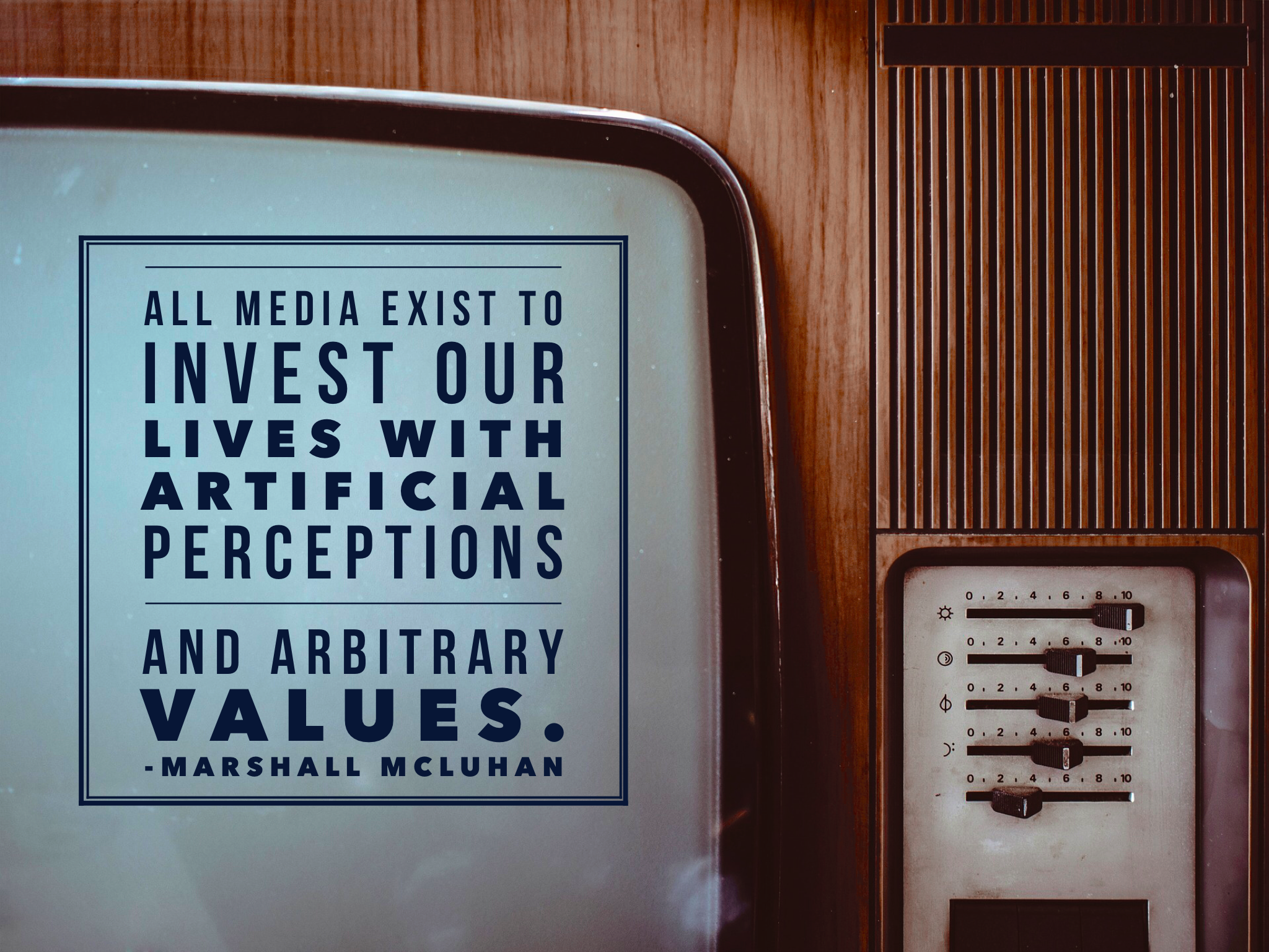
Marshall McLuhan was a Canadian professor who is credited with being one of the most influential thinkers about all things media. He believed that when you are analyzing media you have to look at all the messages being delivered by media, but also the form it is being delivered in because the form is itself a message to the audience.
Media Analysis
Media analysis (definition:Media analysis involves breaking a text down into its parts to examine how meaning is created and communicated.)is a skill you will be developing in this unit. Spend some time examining the information and questions in the interactive, as they are the foundational learning for this lesson. The interactive contains essential questions that you need to ask when assessing a media text, and it provides guidelines for the kinds of answers you should be giving when answering those questions.
Note: Not all questions need to be answered for every media text. You should follow the directions given in the task, and choose the questions you feel are most applicable and/or show the best deconstruction(definition:This is the process of breaking a text into various different parts to see how it creates and/or communicates meaning.).
MediaTriangleQuestions
The interactive activity was designed to provide you with a series of questions that you can use to help deconstruct a text based on the different sides of the media triangle. It also provides you with some suggestions for possible answers to the questions. Also, always remember to provide enough depth and detail to explain why you think what you think. The following exemplar will walk you through the questions and answers.
MediaTextAnalysis
 How Do I Figure Out What a Media Text is Saying?
Now that you have seen how to deconstruct a text, it is your turn to practice answering the questions to deconstruct a media text on your own.
- Choose three texts from the ones shared below. At least one needs to be a complex (definition: A complex text is one that has multiple perspectives and techniques that work together to share a message.) text (i.e., one needs to be a video, PSA, or podcast).
- Using your critical thinking skills, apply one side of the triangle to a text and answer at least three deconstruction questions about that text. Remember, do this for only one side of the triangle.
- Choose another text and a different side and again answer three questions.
- Using the final text and final side of the triangle, answer three questions.
- Record your answers in a method of your choosing.
- In a vlog or screencast, explain your answers to the questions as well as what you learned about each text by analyzing each in this fashion. You should also spend some time thinking about and reflecting on how this helps you to understand the meaning in each media text.
Podcast
PSA (Public Service Announcement)
News Clip
Video Editorial
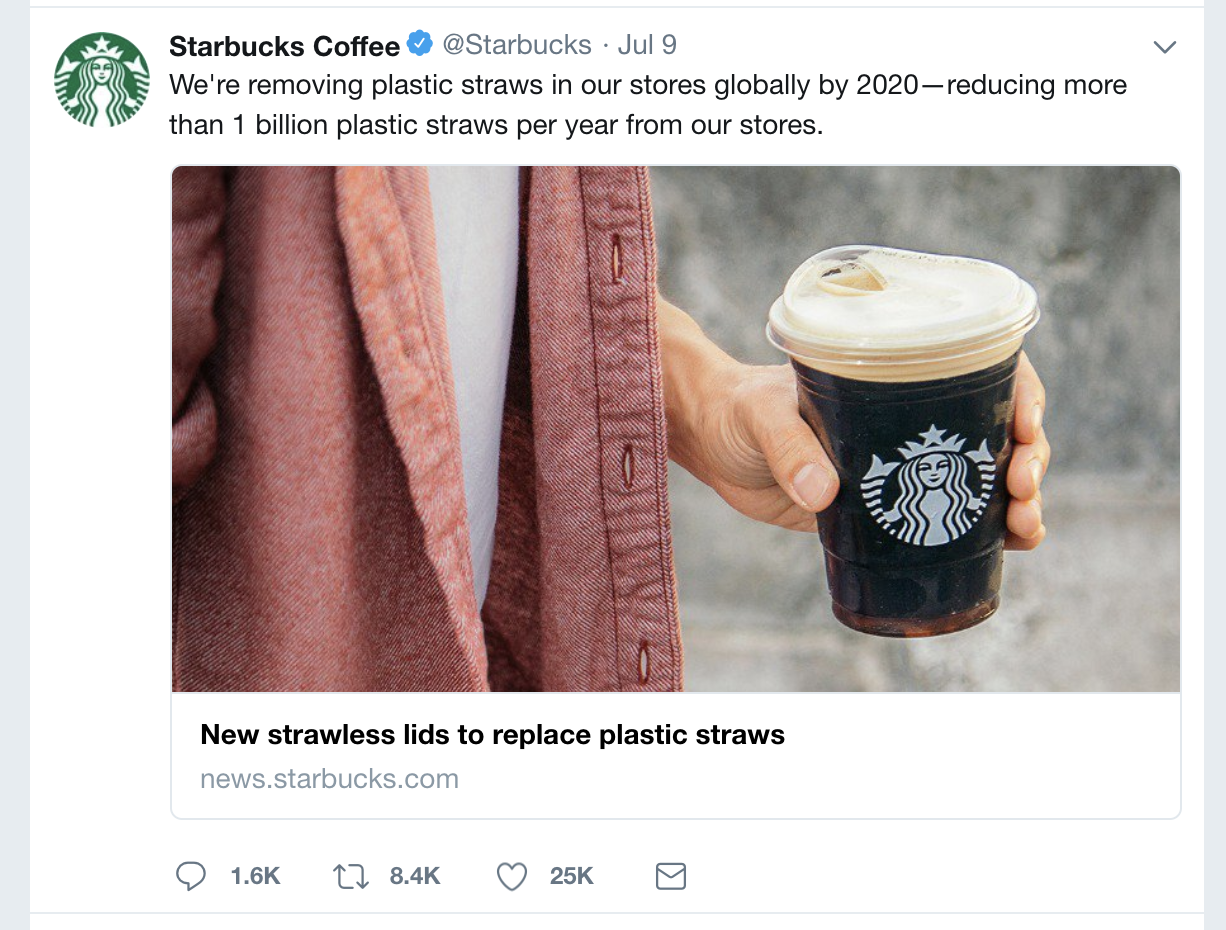
Company Tweet
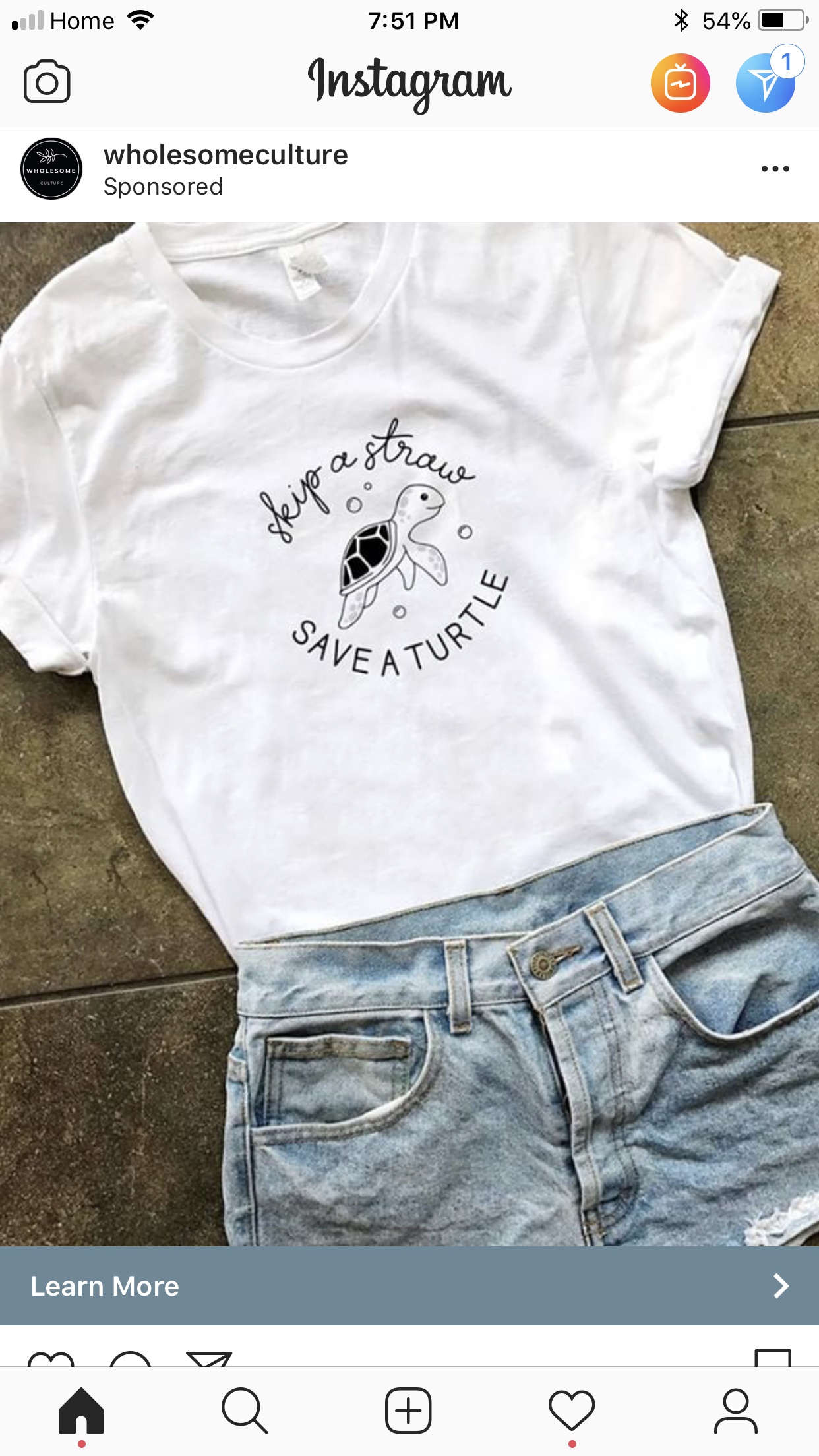
Instagram Ad
 How Do I Figure Out If a Text is Fact or Opinion?
Scroll through the story on the website, "Are You NewsWise?". While you are scrolling, think about if you've ever had this experience. Some ideas to consider are:
- Have you shared a text or posted about an issue before you had all the facts?
- Has someone sent you a link or article about an issue that you learned later wasn't true?
- How did you feel if you have experienced either of these things?
- If you shared a text or posted before you had all the facts, why did you feel compelled to share?
- Do you think this is a teenage issue or is it an issue with everyone?
- What are some solutions to this issue?
We are at a point in history where we have unlimited access to information at our fingertips. However, not all information is credible (definition: Credible means strong enough to be believed.) or reliable. (definition:This is information verified by multiple sources to be true.) Watch this video discussing why "fake news" has become an issue in our society and what we can do to make sure the information is believable and true. As you are watching, reflect on what makes a text credible and reliable.

CONSOLIDATION
So, What Did You Learn?
In this lesson you were introduced to the concept of media analysis and given the chance to analyze a variety of texts using the media triangle.
Reflection #7
In a method of your choosing, share your reflections on what you learned in this lesson. Some ideas to consider are:
- What did you think of the "Follow the Frog" video and the deconstruction?
- The deconstruction is very detailed. Do you think you can analyze in such a deep fashion? Why or why not?
- Be sure to include your reflections from the Minds On in this reflection.
- Have you ever thought about media texts in that depth? What did you learn about analyzing from the deconstruction?
- Think about the media triangle. What parts/questions of the triangle were new to you? What did you already know?
- How do you think your understanding of media will be enhanced by using these ideas to help you deconstruct a text?
- Do you think "fake news" is a problem in today's society? Explain your perspective.
- Have you paid attention to the idea of bias in texts previous to this course? How will your understanding of bias change how you interact with media texts?
- What further questions do you have about media analysis?
Did I Remember To...
| Checklist Items | |
|---|---|
| watch and draw conclusions from the "Follow the Frog" video and deconstruction? | |
| work my way through the media triangle interactive? | |
| practice deconstructing three different media texts using the media triangle? | |
| create a vlog that shows my skills in media analysis and what I learned about the meaning in a media text? | |
| share my thinking about the NewsWise text? | |
| complete the graphic organizer about bias in the case studies? | |
| complete Reflection #7? |
 Learning Goals and Success Criteria
 Learning Skills and Work Habits