
How do others share their voices?
How do media texts communicate meaning?

MINDS ON
Deconstructing Media
Think about the last movie, television show, or YouTube video you watched. Now think about how you watch movies, television shows or YouTube videos. What do you pay attention to? Are you just trying to understand the story or ideas presented, or are you looking for details like camera angles, music, background noises, et cetera?
Watch the following video on the Foley sound effect artists and then consider what you noticed in the last text you watched versus what you might not have noticed.
 Deconstructing Media Texts
What are your reflections after watching this film? In a short vlog, explain how you have watched media texts in the past and reflect on new insights the video provided and how this new learning might change the way you view media in the future. Also consider the purpose that directors have when incorporating these details into their text. How do you think this affects (enhances and/or detracts from) the audience perspective and experience?

ACTION
How Do I Use Techniques and Conventions to Analyze Video?
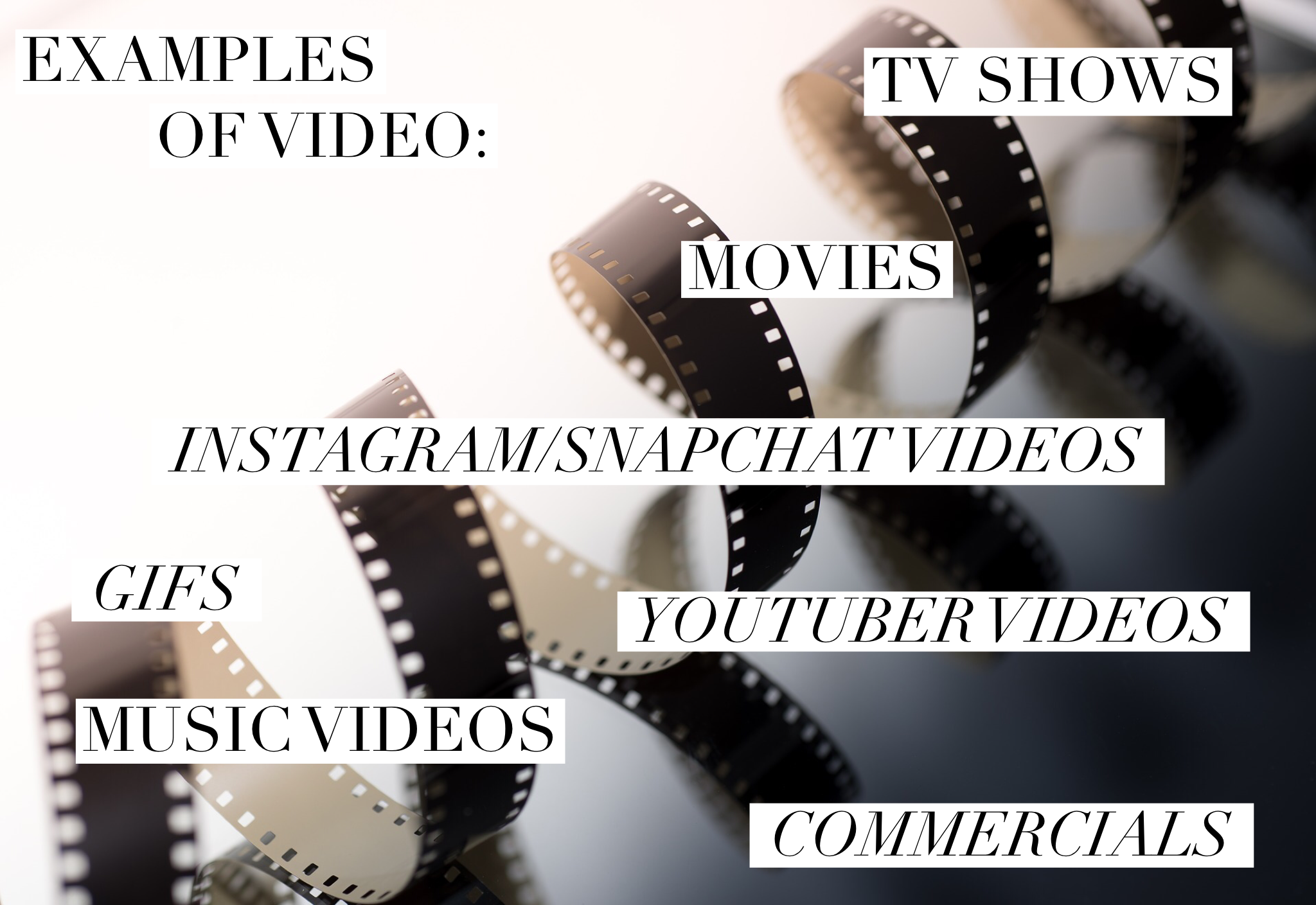
You are using many of the same elements to analyze a written text while you are reading it that you do when you are analyzing video, as most videos use storytelling features to convey their messages.
MediaTechniquesVideo
It's great to know what some techniques and conventions are when analyzing video, but it's more important to know how to use them effectively. Read the following article, "7 Things Critics Look for When Reviewing a Movie" from Cheat Sheet (original article), about what movie critics look for when analyzing a film.
 Video Analysis
Watch the following video and fill out the graphic organizer, Media Techniques & Conventions: Video Graphic Organizer, to show your analysis of the film.
How Do I Use Techniques and Conventions to Analyze Photos?
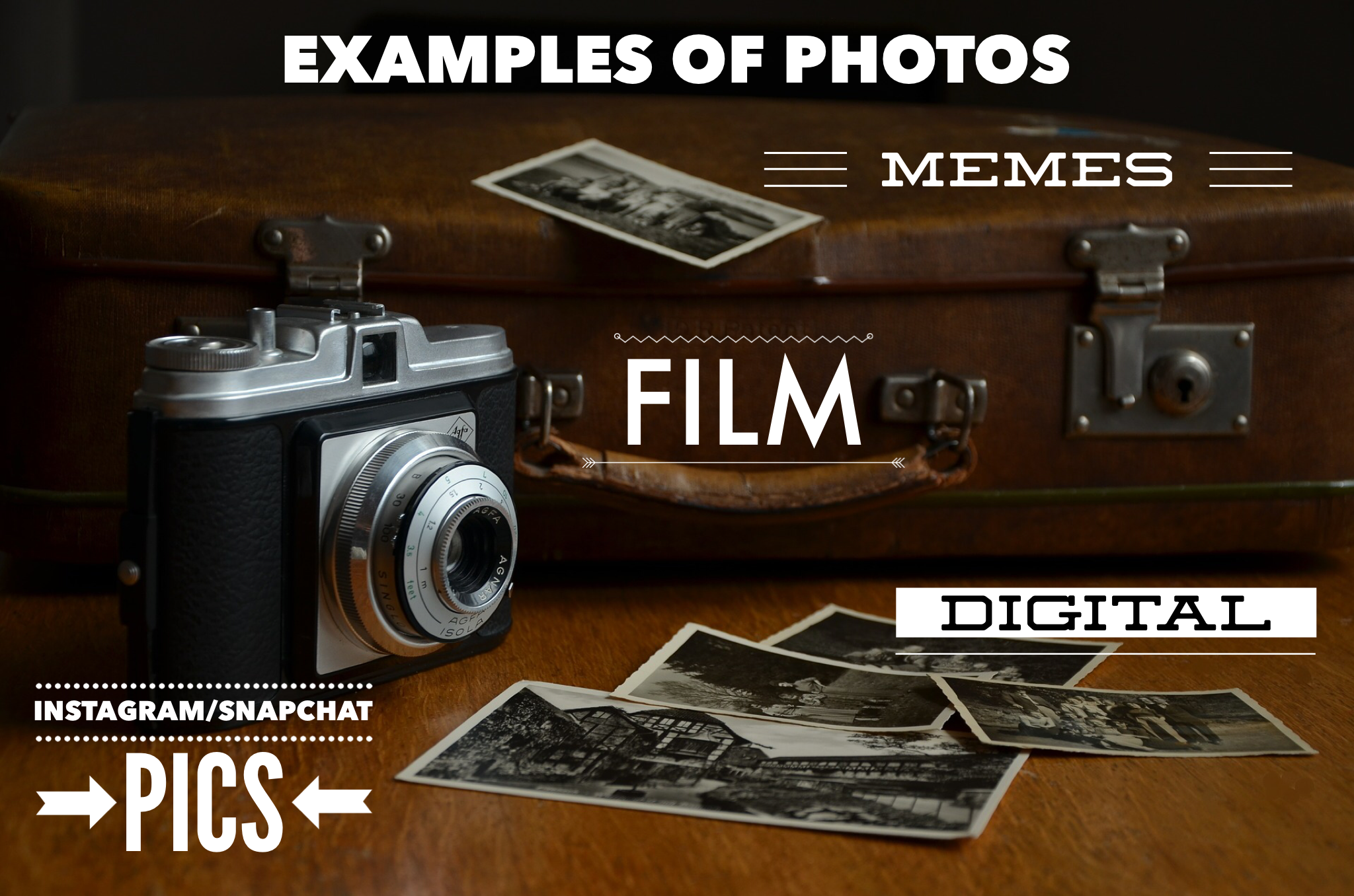
In this course you will be using the word "photos" as a blanket term for any image that is not moving. As social media is a prominent element of our society, images like memes and photos posted on Instagram or sent as Snaps are considered part of the photos genre.
When people take photos or post images to social media, they do so with a specific purpose in mind. They might want to make their friends laugh, make people think, or get "likes," et cetera. As you are examining photos for this course, you should spend time considering who the audience is for that photo and what purpose the creator has for taking the photo and sharing it with them.
MediaTechniquesPhotos
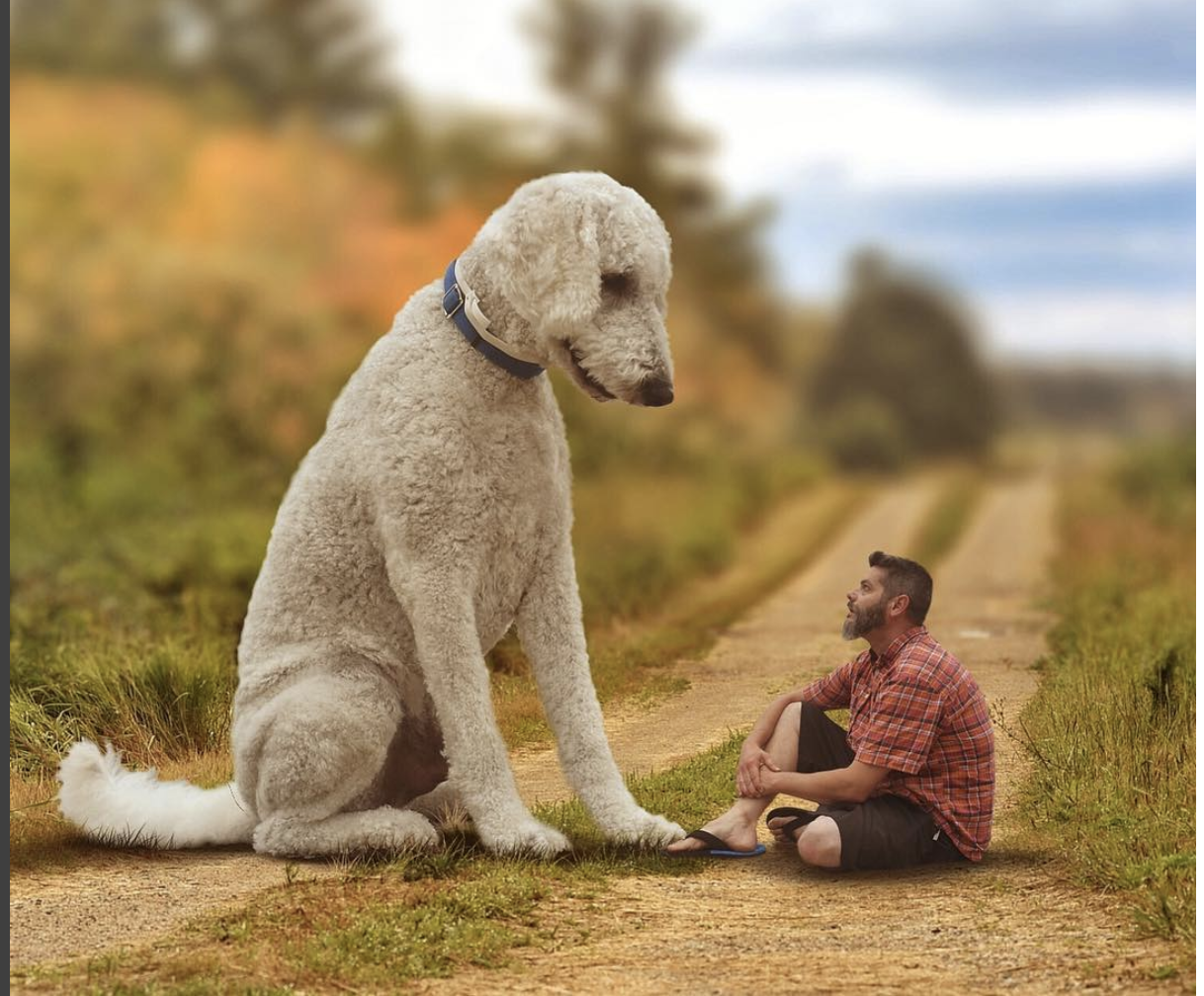
Now that you have the terms and what they mean, look at the original and analyzed photos of Christopher Cline and his dog Juji. Christopher Cline is a professional photographer who gained popularity after his dog's Instagram account went viral.
Original:
Analyzed:
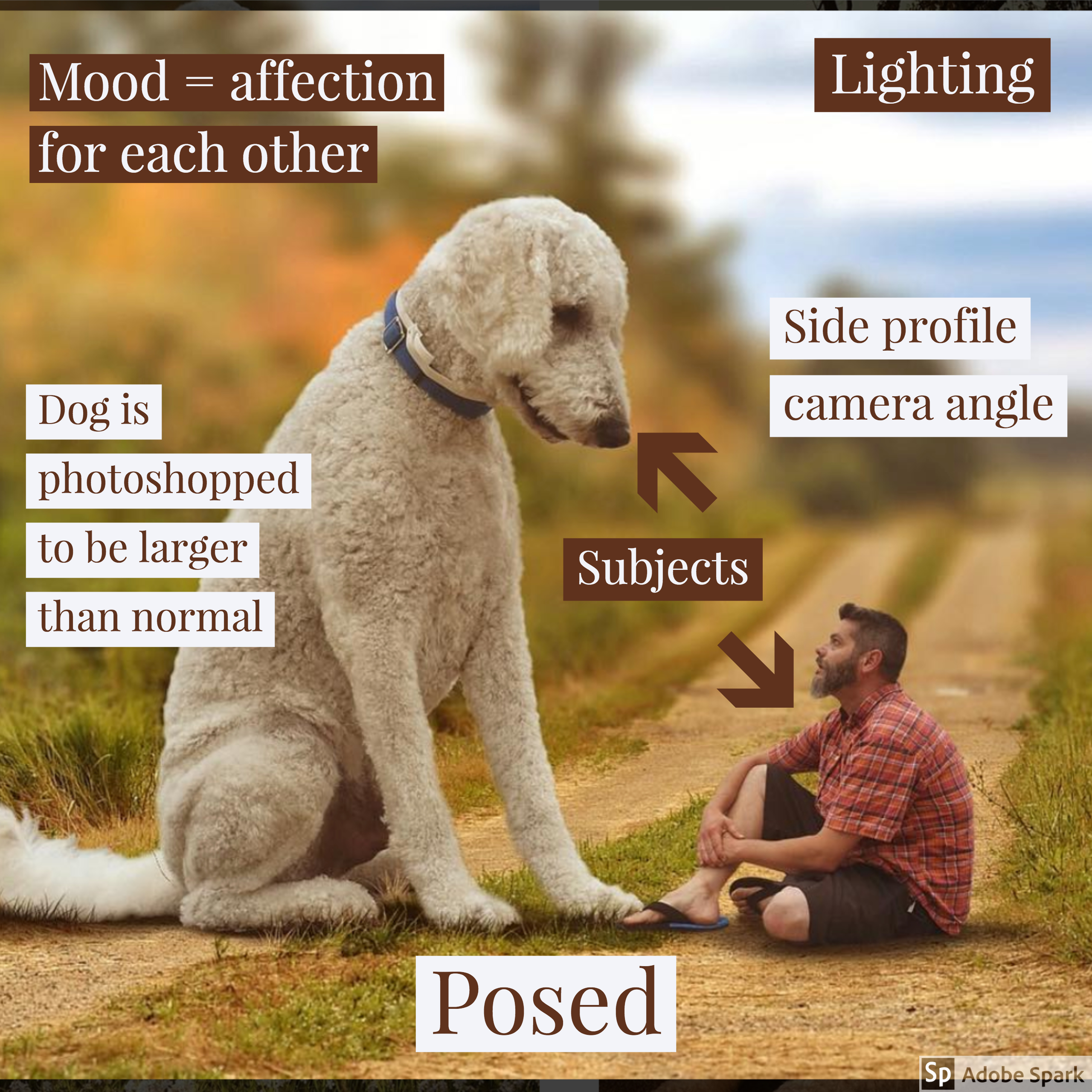
Photo Analysis
Now that you have seen an edited photo, it is your turn. Find an image online (appropriate to the classroom) and, using a program like Adobe Spark, analyze the photo in this style.
How Do I Use Techniques and Conventions to Analyze Audio?
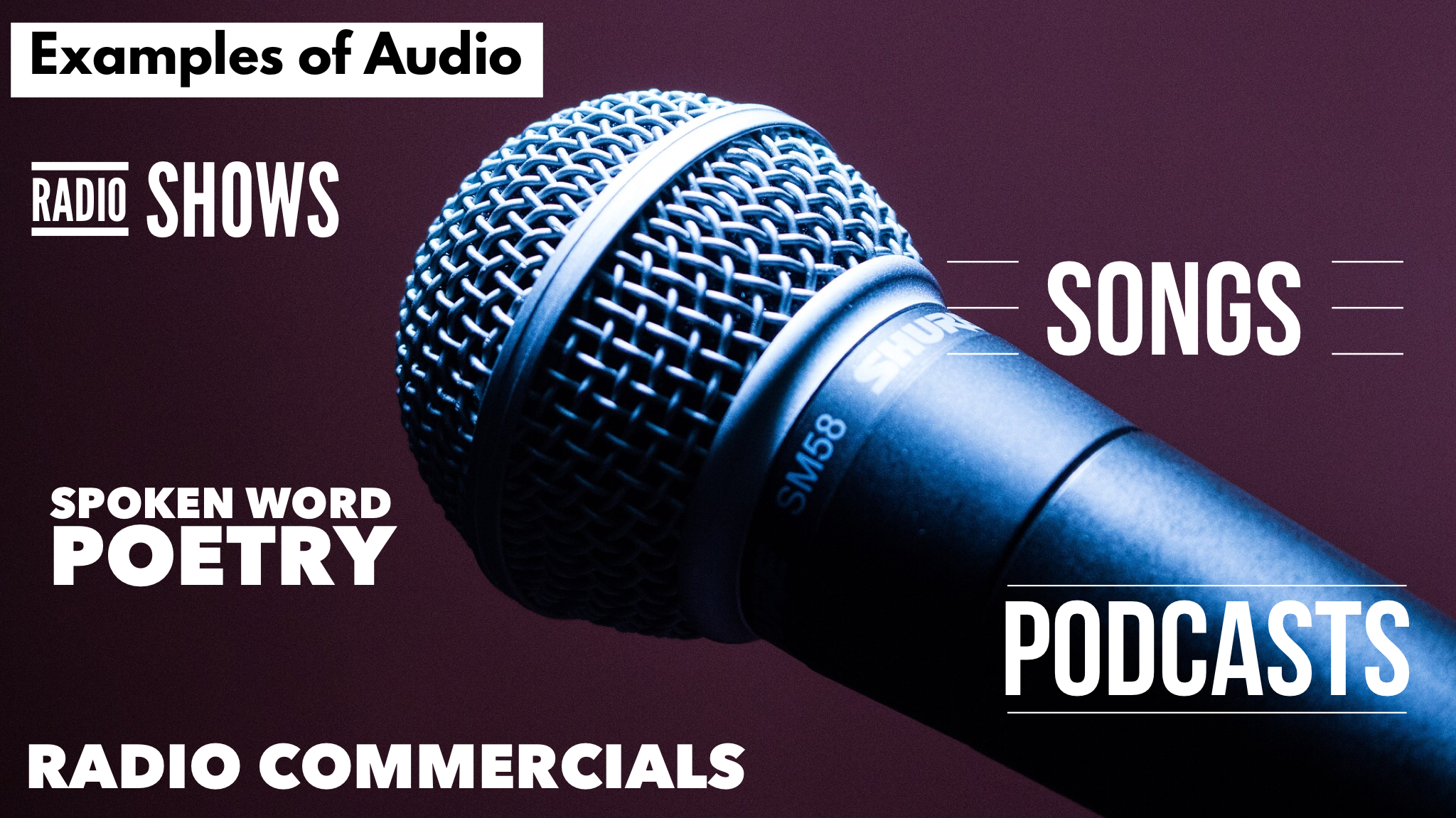
When analyzing audio texts, many of the same ideas you used to analyze video and photos apply. Audio texts like podcasts and radio shows tend to be nonfiction, but often use storytelling techniques to get their messages across to their intended audiences.
MediaTechniquesAudio
 Audio Analysis
Choose your favourite audio text (song, podcast, radio, etc.). Be sure to choose an audio text that is appropriate for class, and be sure to explain why this text is your favourite. Also share your deconstruction of the audio text using the "sound" category from the organizer.

CONSOLIDATION
So, What Did You Learn?
In this lesson you were introduced to the concept of how to deconstruct video, photo and audio texts.
Reflection #8
In a method of your choosing, share your reflections on what you learned in this lesson. Some ideas to consider are:
- Have you ever thought about the various pieces that make up videos, photos or audio texts? Why or why not?
- Comment on the video: "Foley Artists: How Movie Sound Effects Are Made."
- What observations did you make about movies after seeing this video?
- Will it enhance your next viewing of a movie? Why or why not?
- When analyzing video, is it helpful to think of videos as stories? Why or why not?
- Do you think you will be able to effectively analyze videos using the terms and questions provided? Why or why not?
- Which term do you find most challenging to understand?
- What other techniques or conventions should be added to this list?
- Do you think you will be able to effectively analyze photos using the terms and questions provided? Why or why not?
- Which term do you find most challenging to understand?
- What other techniques or conventions should be added to this list?
- Do you think you will be able to effectively analyze audio texts using the terms and questions provided? Why or why not?
- Which term do you find most challenging to understand?
- What other techniques or conventions should be added to this list?
- Do you find all this information overwhelming or manageable? Explain what you plan to do to ensure you understand the material.
Did I Remember To...
| Checklist Items | |
|---|---|
| watch the "Foley Artists: How Movie Sound Effects Are Made" video and create a vlog? | |
| read the "Techniques and Conventions: Video" handout and complete the organizer on "The Fantastic Flying Books of Morris Lessmore"? | |
| read the "Techniques and Conventions: Photo" handout and analyze a photo of my choosing in a style like the model provided? | |
| read the "Techniques and Conventions: Audio" handout and share an audio text with the class? | |
| complete Reflection #8? |
 Learning Goals and Success Criteria
 Learning Skills and Work Habits