
The Big Picture: Putting the Pieces Together
Putting it Together

MINDS ON
Partial List of Related Materials
In this Activity you will be combining details and concepts from several parts of the course you have already completed. You should refer to them as you compose your responses to the upcoming tasks.
Realize, though, that this list is not exhaustive so you should look for opportunities to include other relevant details related to nutrition, metabolism, and population growth.
Feedback on your Investigations;
- Unit 1, Activity 2 about Carbohydrates;
- Unit 1, Activity 3 about Essential Nutrients;
- Unit 2, Activity 1 on Biochemical Reactions;
- Unit 2, Activity 2 on Enzymes;
- Unit 2, Activity 3 on Cellular Transport;
- Unit 2, Activity 5 on Cellular Respiration;
- Unit 2, Activity 7 on Population Dynamics;
- Unit 2, Activity 10 on Controlling Gene Expression.
Look over feedback from your investigations from this course. As part of using good Self-Regulation skills, (definition:I set my own individual goals and monitor progress towards achieving them.) ask yourself if you’re meeting your personal goals of achievement in this type of inquiry activity.
 Thinking about Your Work
- What part of investigations has been working well so far? Choose a specific example from earlier in the course that you have completed that demonstrates your achievement.
- Identify an investigation from this course where you would like to improve. Describe a strategy you will use when completing this task.
Share these answers with your teacher.
Nutrition
Earlier in the course we learned about essential nutrients. These nutrients, like the essential fatty acids and amino acids in the human diet, are needed for an organism to survive. Their cells do not code for the enzymes needed for the metabolic reactions to produce these nutrients. As a result, these nutrients must be obtained from the environment. Common to all heterotrophs is their need to consume energy. Omnivores and herbivores obtain glucose from plants. Carnivores and omnivores convert the proteins founds in the flesh of their prey into glucose and other metabolites used in cellular respiration, like acetyl-CoA.
In nature, the species of yeast used in baking, Saccharomyces cerevisiae, is a decomposer. Like most other fungi, it’s heterotrophic. They grow well with sucrose and a source of peptides, called peptone, as their only essential nutrients. The type of yeast used in baking is a dehydrated mixture of live cells with peptone. They exist in a low metabolic state until sucrose and warm water are added in baking. At that time the yeast become activated and greatly increase their rate of alcoholic fermentation to meet their energy needs and the yeast population grows.
Before you begin the next portion of this Activity, continue to practice good Self Regulation skills (definition:I can set my own individual goals and monitor progress towards achieving them.) and ask yourself what might affect how quickly yeast can increase their metabolic activity. What factors could affect the rate of alcoholic fermentation once the yeast have been activated?
- yeast,
- sugar (or another sweet substance, like syrup, sugar, artificial sweeteners, etc.),
- salt,
- vinegar,
- baking soda,
- teaspoon,
- tablespoon,
- tap water,
- measuring cups,
- small glasses,
- a large pan,
- empty water bottles,
- balloons,
- a kitchen thermometer,
- a stopwatch,
- a ruler,
- string,
- permanent marker.
Because you will be planning this investigation you may not need everything in this list, or you may need material or equipment not listed here. Let your teacher know now if there is anything you can’t get.

ACTION
Planning
The presence of yeast’s essential nutrients of sucrose and peptone leads to the activation of yeast and involves many changes to the metabolism in the cells you buy at the grocery store. The gene expression of the enzyme invertase is greatly increased leading to the production of both a secreted and intracellular form of the enzyme being produced. Sucrose is either transported into the cells or it is hydrolyzed into glucose and fructose which are then transported into the cells by facilitated diffusion.
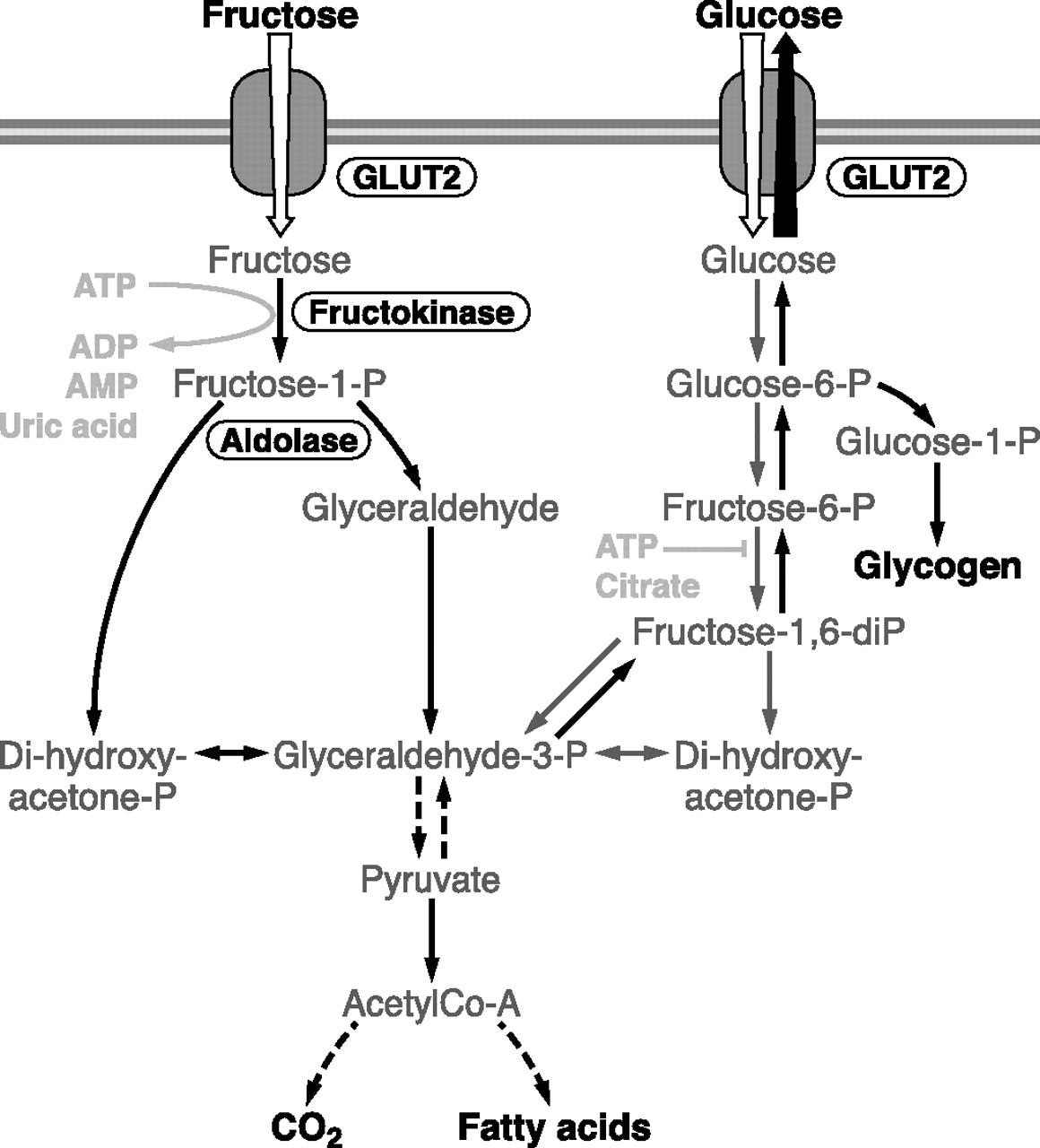
Long Description
by Science Policy
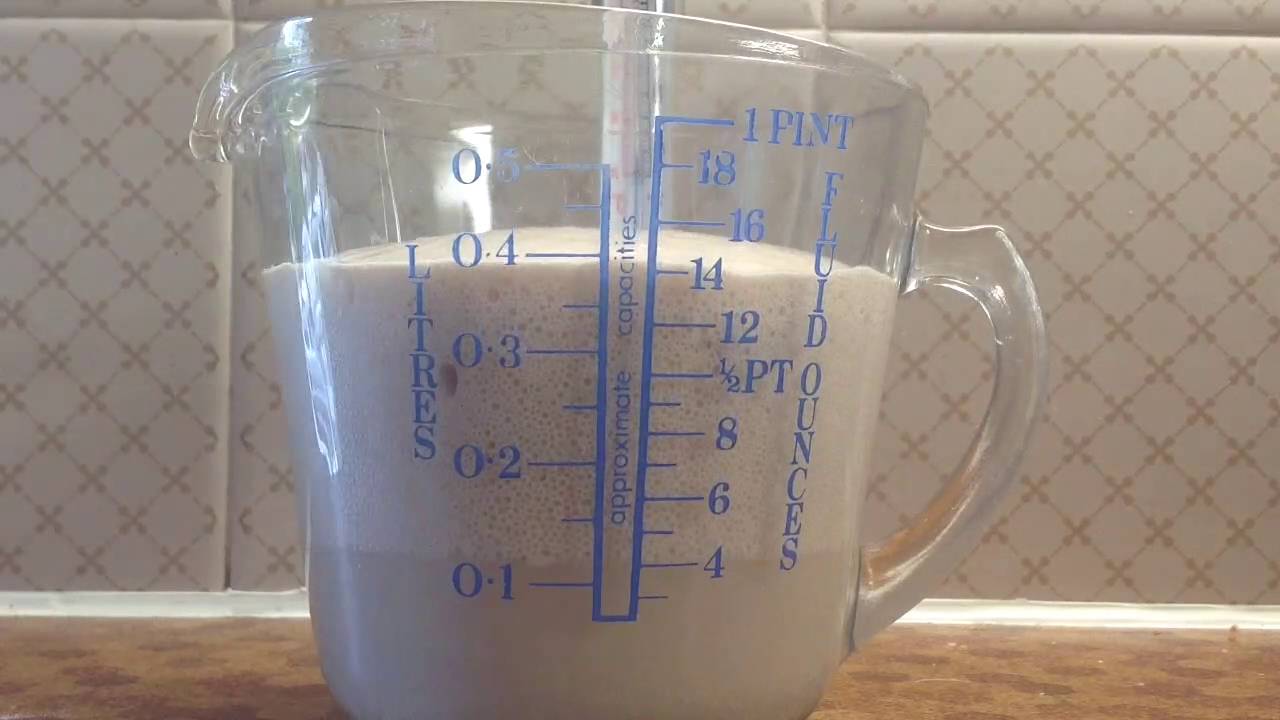
Since Saccharomyces cerevisiae is an anaerobe it produces CO2 through alcoholic fermentation. This gas bubbles up through the solution and can get trapped in other biological molecules leading to foam.
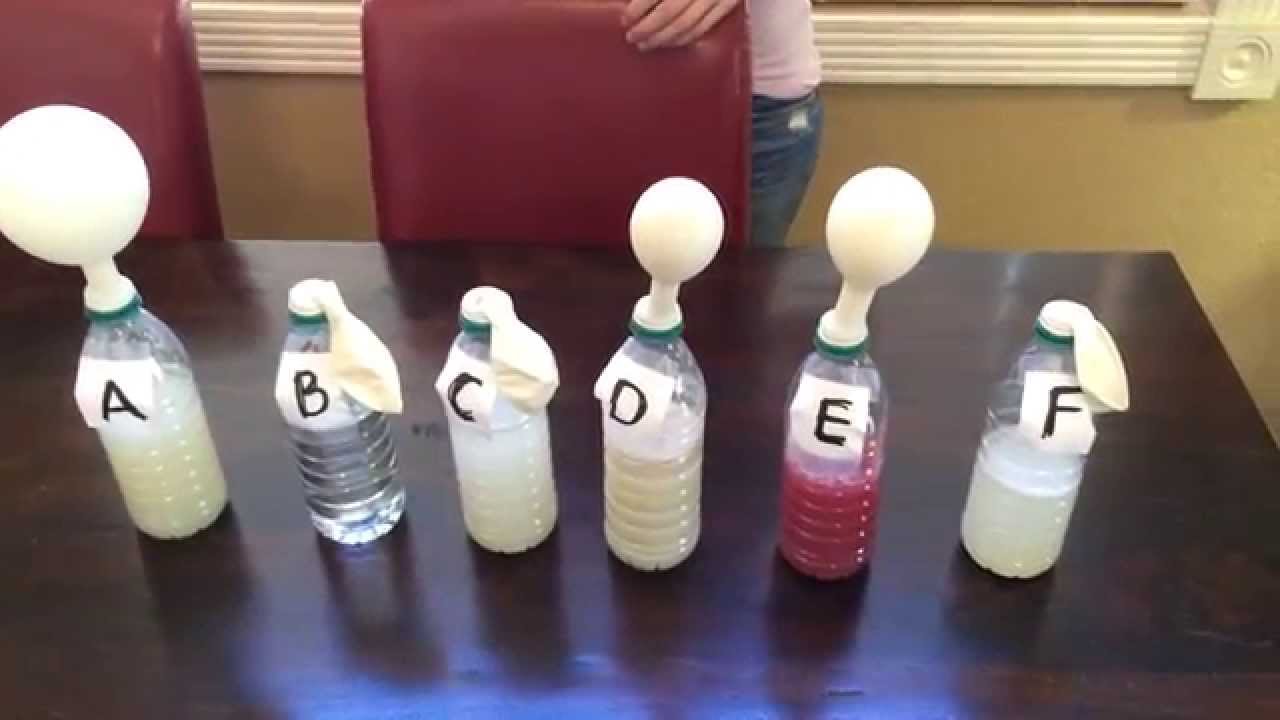
Other ways of observing the alcoholic fermentation activity include collecting CO2 by displacement over water or with a balloon.
Over the first 2 hours, the CO2 evolved comes from the original cells. After this time, the yeast reproduce asexually, doubling in number. The population growth of this yeast cell population is limited by standard biotic and abiotic factors that typically affect the rate of population growth.
Each of these processes are important in the activation of yeast: enzyme activity, rate of cellular transport, rate of metabolic activity, and rate of population growth. Which of these processes do you feel you can describe the best? Which of these processes interests you?
Coming up later in this Activity you will be doing an experiment about one of these processes in the activation of yeast. You will choose to investigate one factor that might affect this process. Could one of the factors you thought of in the Minds On section be a good choice for your experiment?
You will plan your own procedure for this investigation. Your procedure must allow for you to collect at least 5 different results, including a control group. You should do a practice reaction to see how the yeast behaves. This practice will also help you to determine the amounts of yeast, sugar, and water you will need. Think about how you are going to collect quantitative data for graphing later on. Be sure to read the instructions on the label for recommended conditions and be mindful of expiration dates! Think about which of the materials listed in the Minds On section you will need and if anything is missing for your experimental design.
A couple more points you may find useful. First, if you need to set a water bath for a particular temperature you will maintain a more consistent temperature with a larger water bath. Secondly, if you are making a batch of yeast to divide up in your minimum 5 different conditions be sure to stir it well as yeast cells tend to settle to the bottom of the solution.
Planning Your Investigation
Share your plan and list of materials with your teacher. Continue to use good Self-Regulation skills (definition:I can identify choices in my learning to meet my personal needs and achieve goals.) in this task. Be sure to use full details of your experimental design so that it’s clear how you plan to set up your experiment. Also, look for ways that you can plan your investigation to control as many variables as possible. At this point your plan doesn’t have to be your final copy. Submit your plan to your teacher before proceeding. Use this opportunity to get feedback from your teacher about your plan.
Your experimental design should include:
- the process in the activation and growth of yeast cells you are focusing on;
- the factor that might affect this process;
- the important parts of a fair test;
- show a clear description of how the test should be performed (paragraph or a step-by-step procedure);
- justify an appropriate choice of collecting quantitative results for this type of experiment.

CONSOLIDATION
Investigating Rate of Yeast Activation
With your teacher’s approval, you are now ready to complete the experiment for this Activity. You will perform, analyse, and evaluate results from the lab you planned using household materials to investigate the effect of a factor on a process in activation of yeast. As you prepare for, perform and report about your investigation, look for opportunities to practice good Organization skills. (definition:I can identify, gather and use resources to complete a task.) Take this opportunity to act on some of the feedback from the lab investigations you’ve already done.
This checklist will help you look at the details of your final write-up.
Experiment: Rate of Yeast Activation
Materials Needed:
- yeast
- sugar (or another sweet substance)
- salt
- vinegar
- baking soda
- teaspoon
- tablespoon
- tap water
- measuring cups
- small glasses
- a large pan
- empty water bottles (check the size if you need to stretch balloons across their mouths)
- balloons
- a kitchen thermometer
- a stopwatch
- a ruler
Procedure:
Perform the experiment that you have planned. Collect relevant and quantitative data for all your variables in your fair test.
If you prefer, you can download a copy of this experiment.
 Learning Skills and Work Habits Self Check
Take a moment to assess your level of achievement of the learning skills and work habits. When you have completed the self assessment, take a screenshot and save it to your portfolio.
| Criteria | Level |
|---|---|
|
Organization. Ask yourself:
|
Indicate at which level you have demonstrated your learning skills in this activity by highlighting a value from 1 to 4 in the following rating scale: |
|
Self-Regulation Ask yourself:
|
Indicate at which level you have demonstrated your learning skills in this activity by highlighting a value from 1 to 4 in the following rating scale: |
 Learning Goals and Success Criteria
 Learning Skills and Work Habits